
Artisan Goods From Peru: A Sourcing Guide for U.S. Retailers
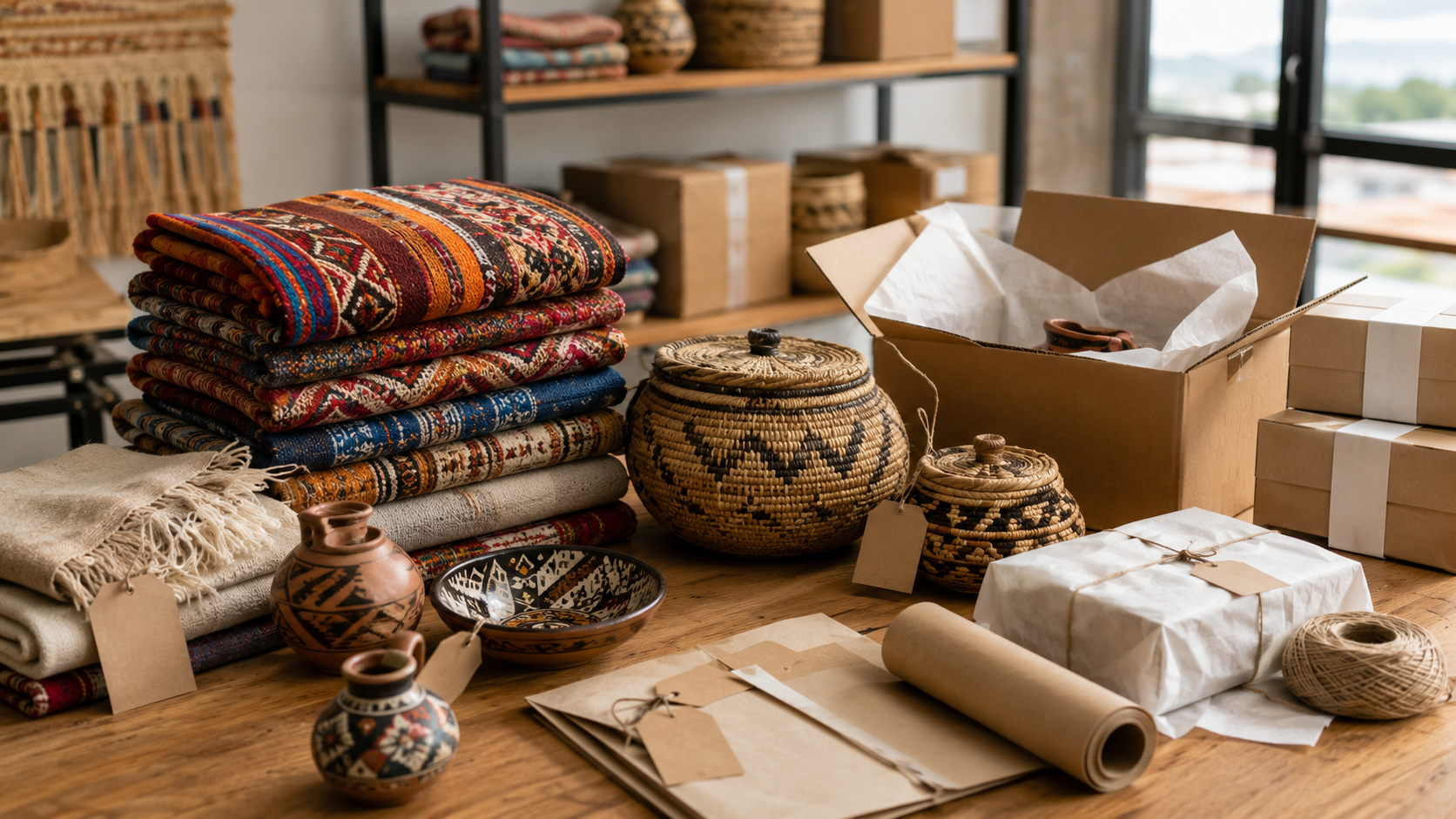
Artisan goods from Peru are part of the general merchandise products that WIDE identifies within its custom sourcing support for U.S. entrepreneurs, small businesses, and specialty retailers.
For businesses importing from Peru to the U.S., the process should begin with a clear sourcing request. Before supplier options can be reviewed, a business should clarify what type of product it needs, what quantity it is considering, what timeline it has in mind, and where the goods need to go after arriving in the United States.
This is especially important when the product is not coming from a fixed catalog. Artisan goods, handmade goods, household items, specialty imports, and other custom-requested products may require a more specific conversation around product details, supplier options, import coordination, and final delivery.
Why Artisan Goods From Peru Need a Clear Product Request
When sourcing artisan goods from Peru, the first step is to define the product as clearly as possible.
A business should explain what it is looking for, how the product will be used, who the product is intended for, and whether the goods are meant for a retail store, specialty shop, product line, inventory restock, or another business purpose.
This does not mean the business needs to solve every operational detail before starting. The goal is to provide enough information so the sourcing process can be focused from the beginning.
For example, “handmade household goods for a specialty retail store” is more useful than “artisan products.” A clearer request gives the sourcing team more context to review supplier options based on product specs, quantity expectations, and timeline needs.
How Custom Sourcing From Peru Helps Organize the Search
Custom sourcing from Peru can help when a business needs a product that is not already available through a standard distributor or catalog.
WIDE’s custom sourcing approach is based on understanding the product request, reviewing specs, quantities, and timelines, and researching supplier options that match the business need. For artisan goods, that structure can help make the search more practical and better organized.
Instead of starting with a broad product idea, the business can begin with a more specific request. This makes it easier to review whether the product, supplier option, quantity, and timeline are aligned before moving forward.
For U.S. businesses that do not have an internal sourcing or import team, this type of support can also help connect the early product search with the next steps in the import process.
What Businesses Should Clarify Before Moving Forward
Before moving forward with artisan goods from Peru, businesses should clarify the details that shape the sourcing request.
The most important starting points are the product type, basic specifications, estimated quantity, expected timeline, intended use, and U.S. destination. These details help determine whether the request is specific enough for supplier research and whether the sourcing process can be connected with import coordination.
Quantity matters because it helps define the scale of the request. Timeline matters because the sourcing process may need to fit a launch, restock, seasonal window, or business schedule. Destination matters because the goods still need to move to a warehouse, storefront, fulfillment center, or another U.S. location after arrival.
Clarifying these points early helps reduce uncertainty before the business commits to the next step.
Why Import Coordination Should Stay Connected to Sourcing
Sourcing artisan goods is only one part of the process.
Once supplier options are reviewed, the business still needs to consider how the goods will move from Peru or Latin America to the United States, what documentation or customs-related support may be needed, and how the products will reach their final destination.
This is why sourcing should stay connected to logistics and freight coordination, customs and import compliance, and U.S. distribution and delivery. The goal is not to turn the article into a logistics guide, but to show that the product search should be planned with the full import path in mind.
For artisan goods, this connected approach is useful because the business may be dealing with custom-requested products rather than standard catalog inventory. A stronger sourcing plan should consider not only what product the business wants, but also how that product can be sourced, coordinated, imported, and delivered.
Final Thoughts
Artisan goods from Peru can fit within WIDE’s custom sourcing support for U.S. businesses looking for handmade goods, household items, specialty imports, or other custom-requested products from Peru and Latin America.
Before moving forward, businesses should define the product, quantity, timeline, intended use, supplier expectations, import coordination needs, and final U.S. destination. These details help turn a general product idea into a more focused sourcing request.
The strongest approach is not only to ask whether a product can be found. It is to build a clearer path from product sourcing to import coordination and delivery in the United States.
If your business is exploring artisan goods from Peru or Latin America, WIDE can help you organize the process from the beginning.
Contact WIDE to discuss your product idea, specifications, quantity expectations, timeline, sourcing needs, import coordination questions, and final delivery destination in the U.S. Our team can help you build a clearer path from custom sourcing to delivery.