
Fulfillment Center Delivery for Imported Goods From Peru: What Should Businesses Plan?
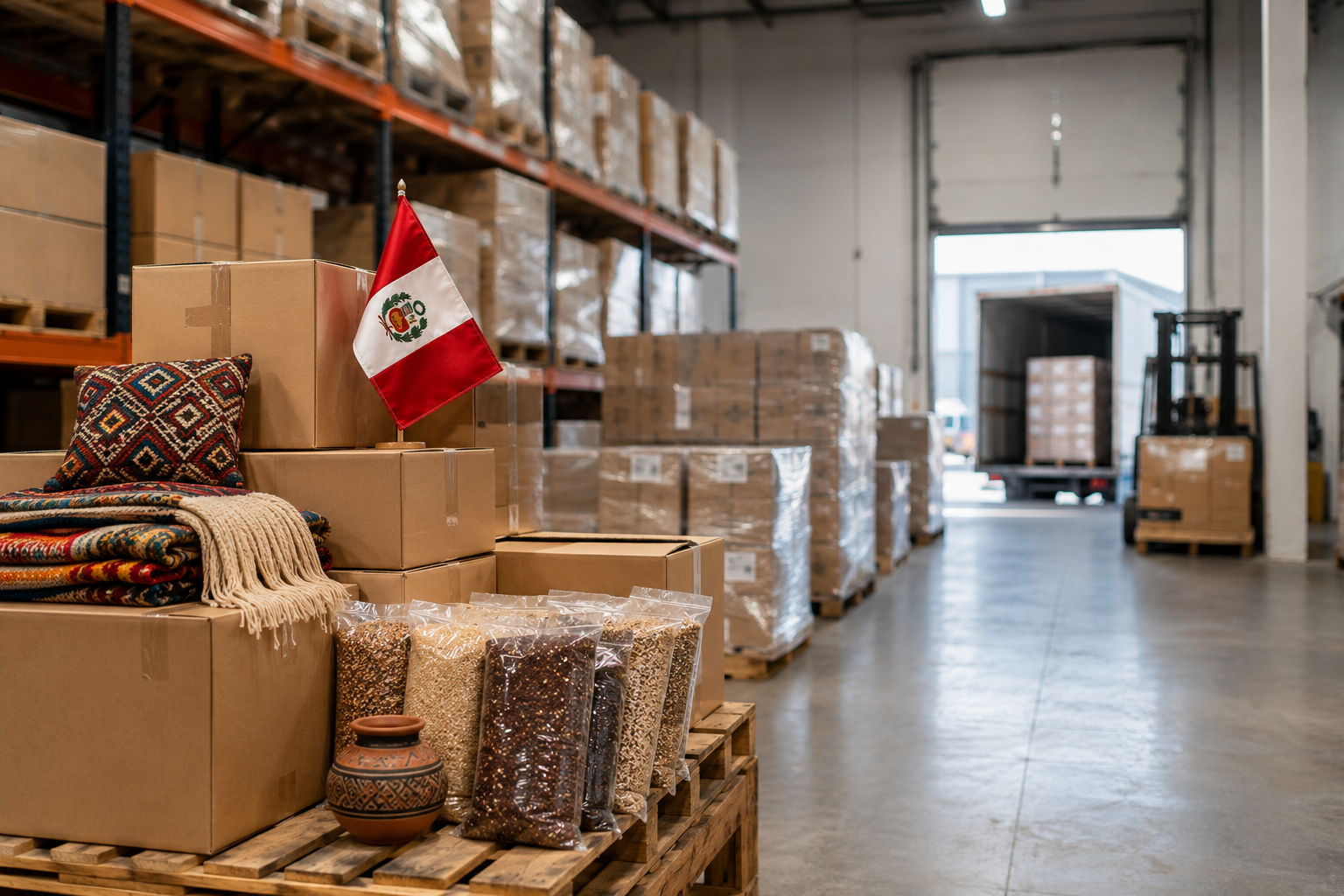
Fulfillment center delivery for imported goods should be planned before the final stage of the import process begins in the United States.
For U.S. businesses importing from Peru or Latin America, the process does not end when the shipment arrives in the country or clears customs. The goods still need to move to the correct U.S. destination, whether that destination is a warehouse, storefront, fulfillment center, or 3PL provider.
Planning this step early helps connect sourcing, logistics and freight coordination, customs and import compliance, and U.S. distribution and delivery into one clearer process.
Why Fulfillment Center Delivery for Imported Goods Should Be Planned Early
Fulfillment center delivery for imported goods should not be treated as a separate task after arrival.
Wide’s U.S. Distribution & Delivery support is focused on helping products reach their final destination after customs clearance. That final destination may be a storefront, warehouse, fulfillment center, retail location, or 3PL provider.
For that reason, businesses should clarify the final delivery point before the shipment is already in motion. This helps the final stage fit the broader import plan instead of becoming an unresolved detail once the goods are already in the United States.
If the goods are going to a fulfillment center, the business should be clear about where they need to go, who will receive them, and whether warehousing, temporary storage, or flexible delivery coordination may be needed before final handoff.
This does not mean every business needs a complex delivery plan. It means the delivery destination should be part of the conversation from the beginning.
What Businesses Should Clarify Before Delivery to a Fulfillment Center
Before arranging delivery to a fulfillment center, businesses should clarify the details that shape the final stage of the import process.
The most important starting points are the final delivery address, receiving contact, shipment destination, expected delivery timing, and whether the goods need to move directly to one location or through a warehouse, fulfillment partner, or 3PL provider.
These details are especially useful for e-commerce brands, online sellers, specialty retailers, food product distributors, small business owners without logistics teams, and Latin American entrepreneurs distributing products to U.S. customers.
A business should also consider whether the shipment may need flexible delivery scheduling, multi-point drop-offs, short-term storage, or warehouse support. These possibilities matter because not every shipment is received in the same way once it reaches the U.S.
The goal is to reduce uncertainty at the final stage. When the delivery destination and receiving needs are clear, the business can better understand what type of U.S. distribution and delivery support may be required.
How Final-Mile Delivery Coordination Supports the Import Process
Final-mile delivery coordination helps connect international importing with the practical movement of goods inside the United States.
Wide’s logistics support includes port-to-door service, inland delivery to the final destination, final-mile delivery coordination, warehousing or temporary storage support, and delivery to a business location, fulfillment partner, or 3PL of choice.
This matters because a shipment may be coordinated successfully from Peru or Latin America to the U.S., but still require organized delivery after arrival. The final step may involve moving goods from a U.S. port to a warehouse, retail location, fulfillment center, or 3PL provider.
When final-mile delivery is considered early, the business can make clearer decisions about destination, timing, storage needs, and delivery coordination.
For businesses importing from Peru or Latin America, this connected planning helps keep the import process organized from supplier coordination to final U.S. delivery.
Why Bilingual Support Matters During U.S. Delivery Coordination
Bilingual support can be useful during the delivery stage because the final movement of goods often requires clear communication between different parties.
Wide presents itself as a hands-on, bilingual team rooted in the U.S. and Peru. Its logistics page also states that clients receive updates in English and Spanish, so information does not get lost in translation.
That support can matter when a shipment is moving toward a fulfillment center, warehouse, retail location, or 3PL provider. The business may need to understand where the shipment is, when to expect delivery, and who to contact if something changes.
For small businesses and entrepreneurs without internal logistics teams, having a clear point of contact can make the final delivery stage easier to follow.
This is especially relevant when importing from Peru or Latin America, where sourcing, freight coordination, documentation, customs-related steps, and U.S. delivery may all need to stay connected.
Final Thoughts
Fulfillment center delivery for imported goods should be part of the import plan from the beginning.
For businesses importing from Peru or Latin America, the final destination affects how the shipment should be coordinated after customs clearance. A warehouse, storefront, fulfillment center, or 3PL provider may each require different delivery details, receiving information, or storage considerations.
A stronger plan connects product sourcing, logistics and freight coordination, customs and import compliance, and U.S. distribution and delivery into one practical path.
When businesses clarify fulfillment center delivery early, they can reduce uncertainty and move imported goods more clearly from supplier coordination to final destination in the United States.
If your business is importing products from Peru or Latin America and needs delivery to a fulfillment center, warehouse, storefront, retail location, or 3PL provider, WIDE can help you coordinate the final stage with more clarity.
Contact WIDE to discuss your product, shipment destination, delivery timing, receiving needs, storage questions, and import support requirements. Our team can help you build a smoother path from sourcing to final delivery in the United States.