
How Temporary Storage for Imported Goods Supports U.S. Distribution After Importing from Peru
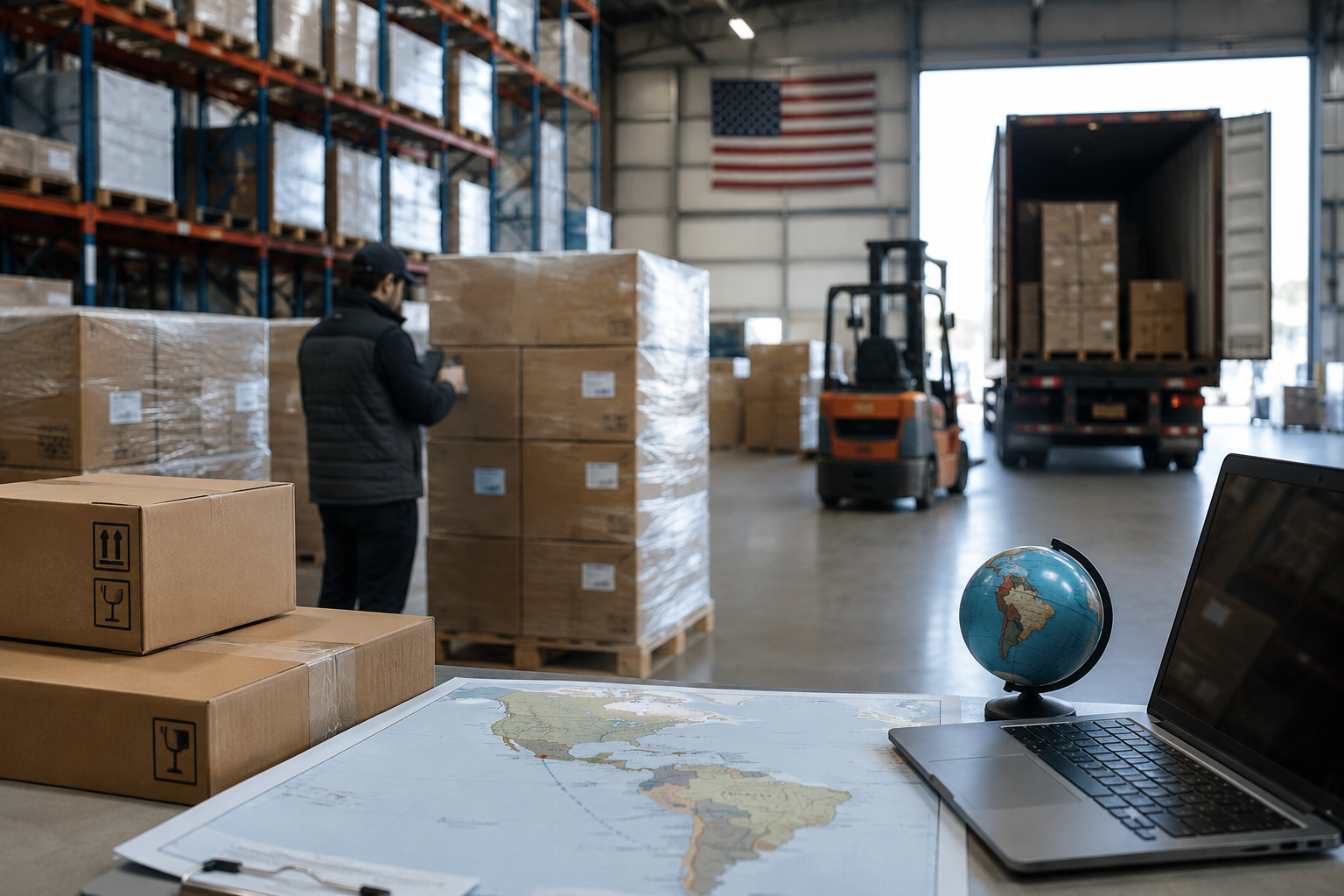
Temporary storage for imported goods can support U.S. distribution when products arrive before the final destination is ready, when delivery needs to be coordinated in stages, or when a business needs more flexibility before moving goods to a warehouse, storefront, fulfillment center, or 3PL provider.
For U.S. businesses importing from Peru, the process does not end when a shipment clears customs. The final stage still matters. Products need to move from the arrival point to the right U.S. destination, and that step often depends on timing, receiving instructions, carrier coordination, and warehouse readiness.
This is where temporary storage can become useful. It is not a separate solution from the import process, but a support option within U.S. distribution and delivery when the final movement of goods requires additional coordination.
Why temporary storage for imported goods matters after arrival
Temporary storage for imported goods is most useful when there is a timing gap between customs clearance and final delivery. In a simple scenario, products arrive, clear customs, and move directly to their final destination. In practice, some businesses need an additional coordination step before delivery can happen smoothly.
A warehouse may require a receiving appointment. A storefront may not have space available on the expected delivery date. A fulfillment center may need specific instructions before accepting inventory. A 3PL provider may need delivery details confirmed in advance.
When those details are not ready, temporary storage can help avoid forcing a shipment into the next step too quickly. It gives the business time to confirm where the goods should go, who will receive them, and when the delivery should happen.
For importers without an internal logistics team, this can be especially helpful. The final stage of the process may involve carrier coordination, delivery timing, unloading needs, and communication with the final receiving location. Temporary storage can help keep those pieces connected.
When short-term storage can support U.S. distribution and delivery
Short-term storage can support U.S. distribution and delivery when products need to be held briefly before moving to their next destination. This may happen when the final location is not available immediately or when the business wants to organize delivery in a more controlled way.
For example, a small business importing goods from Peru may need products delivered to a warehouse, but the warehouse may only accept deliveries during specific hours. An e-commerce business may need inventory sent to a fulfillment center, but the center may require advance coordination. A specialty retailer may need delivery to a storefront, while another part of the shipment moves to a different receiving location.
In these cases, temporary storage can help create a more flexible transition between arrival and final delivery. Instead of rushing the shipment from the port or carrier handoff to a receiving location that is not ready, the business can coordinate the next move with more precision.
This is not only about storing goods. It is about making sure the final-mile delivery process is aligned with the business’s actual receiving needs.
What businesses should clarify before using temporary storage
Before using temporary storage, businesses should clarify what needs to happen after the goods arrive in the U.S. The first question is where the products ultimately need to go. The destination may be a warehouse, storefront, fulfillment center, retail location, or 3PL provider.
The second question is when that destination can receive the goods. Some locations may require appointments, delivery windows, unloading instructions, or specific contact information. Confirming these details early can help reduce confusion once the shipment is ready to move.
The third question is whether the shipment needs any delivery coordination before reaching the final destination. For example, the business may need multiple drop-offs, a specific delivery schedule, warehouse access, or support with unloading.
Temporary storage works best when it is connected to a clear next step. Without a delivery plan, storage can become just another delay. With the right coordination, it can help businesses move imported goods through the final stage more smoothly.
How WIDE connects temporary storage with final-mile coordination
WIDE supports businesses importing from Peru and Latin America by helping coordinate the process from sourcing and logistics to customs support and delivery in the U.S. Once a shipment clears customs, the final leg still needs careful coordination so products reach the right destination.
Through its U.S. Distribution & Delivery support, WIDE helps coordinate delivery to warehouses, storefronts, fulfillment centers, or 3PL providers. When short-term storage or unloading support is needed, WIDE can coordinate warehouse access and support services through its network.
This matters because many small businesses, entrepreneurs, and specialty retailers do not only need transportation. They need clarity around what happens after the shipment arrives. They need to know where the goods are going, when delivery should happen, and who is coordinating the next step.
By connecting temporary storage with final-mile delivery coordination, WIDE helps businesses avoid treating arrival, storage, and delivery as disconnected tasks. Instead, these steps can be managed as part of one broader import and distribution process.
Final Thoughts
Temporary storage for imported goods can be useful when a shipment arrives before the final destination is ready, when delivery needs to be staged, or when a business needs more coordination before moving products to a warehouse, storefront, fulfillment center, or 3PL provider.
For U.S. businesses importing from Peru, this stage should be planned before the shipment arrives. A strong import process does not stop at customs clearance. It continues through final-mile delivery, receiving coordination, and post-arrival support.
When temporary storage is used with a clear delivery plan, it can help businesses manage the final stage of importing with more flexibility and control.
If your business is preparing to import products from Peru to the U.S., WIDE can help you coordinate more than shipping. From logistics and customs support to U.S. distribution, final-mile delivery, and short-term storage coordination when needed, our team helps your products move from origin to final destination with greater clarity and control.