
Sourcing Textiles From Peru: Key Steps Before Placing an Order
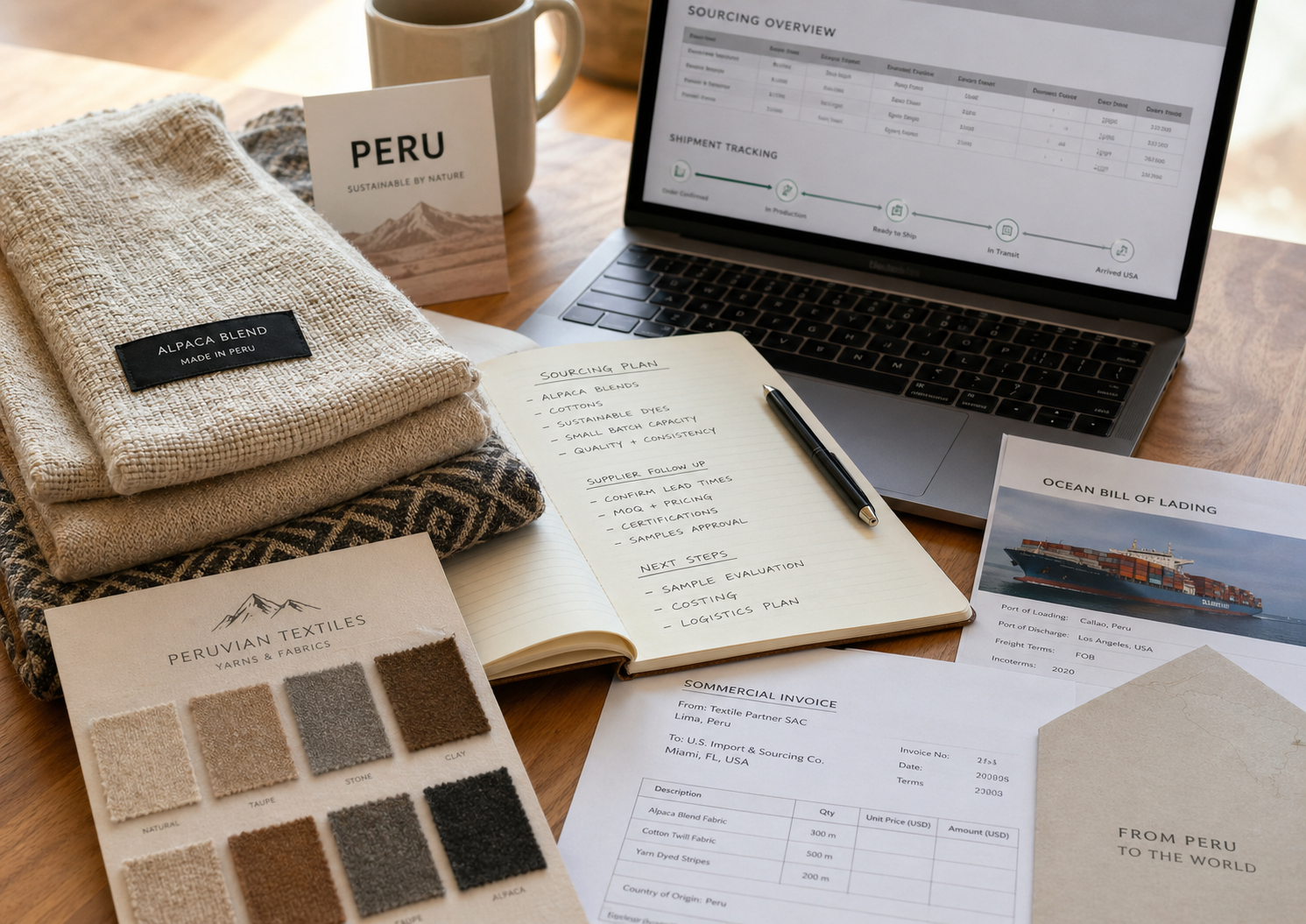
Sourcing textiles from Peru can be a practical opportunity for U.S. businesses looking to explore product options beyond standard domestic or mass-market supply channels. Textile products may include apparel, fabric-based goods, home textiles, accessories, branded merchandise, or other items that require careful attention to material, finish, sizing, packaging, and production details.
However, sourcing textiles from Peru should not begin with a general supplier search alone. Before placing an order, businesses need to define what they are looking for, understand how samples will be evaluated, confirm supplier capabilities, and connect the sourcing process with logistics and import planning. A more structured approach can help reduce confusion, improve communication, and support better decisions before committing to a larger purchase.
Start With Clear Textile Specifications
The first step in sourcing textiles from Peru is defining the product as clearly as possible. A broad request such as “we need textile products” can lead to unclear quotes, mismatched supplier options, or samples that do not reflect the business’s real expectations.
For textile products, specifications matter. Businesses should clarify the product category, material preferences, dimensions, colors, patterns, texture, weight, stitching details, finishing, labeling needs, packaging requirements, and intended use. If the product is apparel-related, sizing, fit, fabric composition, trims, and branding details may also need to be considered.
This level of detail helps suppliers and sourcing partners understand what the business actually needs. It also makes it easier to compare options, request more accurate pricing, and determine whether a supplier is a good fit for the product. In custom sourcing from Peru, clear specifications are the foundation for a more organized sourcing process.
Use Samples to Review Quality Before a Larger Order
Samples are especially important when sourcing textile products because many details cannot be fully evaluated through photos, descriptions, or supplier conversations alone. Texture, thickness, softness, color accuracy, stitching, finishing, and packaging presentation can all affect whether a product is suitable for the U.S. market.
A sample gives the business an opportunity to review the product before moving forward with a larger order. It can also reveal adjustments that need to be made before production, such as changes to material, measurements, color, labels, packaging, or finishing standards.
Samples can also help evaluate the communication process with a supplier. How a supplier handles requests, responds to feedback, manages revisions, and clarifies details can provide useful insight before the business commits to a larger purchase. For companies sourcing textiles from Peru for the first time, this step can reduce uncertainty and support a more informed decision.
Evaluate Supplier Fit, Not Just Product Availability
Finding a supplier that can offer a textile product is only part of the process. U.S. businesses should also evaluate whether the supplier can meet the specific requirements of the order. Product availability does not always mean the supplier is the right fit for the business’s quality expectations, production needs, timelines, or communication standards.
When evaluating reliable Peruvian suppliers, businesses should consider whether the supplier understands the product specifications, can provide samples, communicates clearly, explains production limitations, and can support the expected order size. It is also useful to confirm whether the supplier can maintain consistency between the approved sample and the final production order.
This is where a structured sourcing process can add value. Instead of choosing a supplier based only on price or availability, businesses can compare options based on product fit, responsiveness, production expectations, and ability to support the order from the early sourcing stage through shipment preparation.
How Sourcing Textiles From Peru Connects With Logistics and Import Planning
Sourcing textiles from Peru does not end once a supplier is selected. The product still needs to be prepared, packed, documented, shipped, cleared, and delivered to the right destination in the United States. For that reason, sourcing decisions should be connected to logistics and import planning from the beginning.
For businesses importing Peruvian products, order volume, packaging, product type, and delivery destination can all influence the logistics process. A small sample shipment may require a different approach than a bulk order. A shipment going to a warehouse, retail location, fulfillment center, or business address may also require different coordination.
Businesses should also consider customs and import compliance before the shipment moves. Product descriptions, documentation, classification details, and shipment information need to be handled carefully to reduce the risk of delays or confusion during the import process. When sourcing, logistics, compliance, and delivery are planned together, the overall process becomes more organized and easier to manage.
Final Thoughts
Sourcing textiles from Peru can be a practical option for U.S. businesses that want to explore textile-based products through a clearer and more organized sourcing process. But better results usually depend on preparation before the order is placed.
Businesses should begin by defining product specifications, reviewing samples, evaluating supplier fit, and connecting sourcing decisions with logistics and import planning. This approach helps reduce uncertainty and gives the business a clearer path from product idea to shipment coordination.
If your business is exploring textiles from Peru, Wide can help you approach the process with more clarity. From custom sourcing and supplier coordination to logistics, customs and import compliance, and U.S. delivery, our team supports businesses that want a more organized way to source products from Peru and bring them into the U.S. market.