
What Documents Do You Need to Import from Peru to the U.S.?
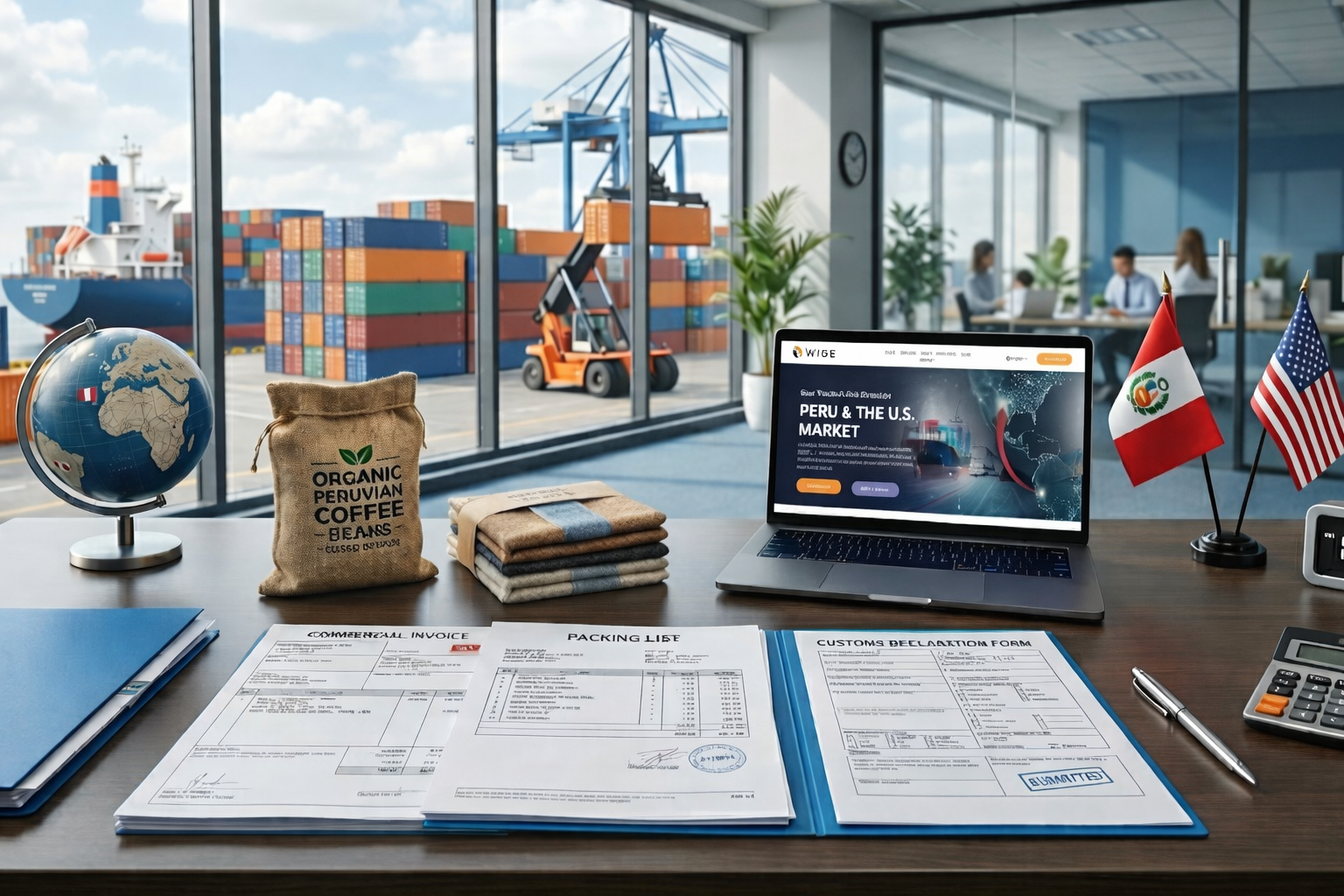
Most U.S. businesses importing from Peru to the U.S. should expect to handle core paperwork such as commercial invoices, packing lists, customs documentation, HS code-related details, and any labeling or regulatory documents required for the product. That is why customs and import compliance should be part of the process from the start.
For first-time importers, small business owners, and entrepreneurs, this matters because importing is not just about placing an order and waiting for it to arrive. It also means making sure your shipment is documented correctly, classified properly, and prepared to meet U.S. import standards.
That is where Wide becomes relevant. Wide positions customs and import compliance as a core part of the import process, not an afterthought. With Peru as a core specialty and broader Latin America support when needed, the company helps U.S. businesses move through sourcing, shipping, documentation, customs clearance, and delivery with more clarity and support.
1. The core documents most importers should expect
If you are importing from Peru to the U.S., there is no single universal form that covers everything. Still, most businesses should expect a core documentation base. Based on Wide’s current services, that typically includes shipping documents such as commercial invoices and packing lists, along with the customs documentation needed to support entry into the U.S. market. Wide also highlights the importance of HS codes, duties, and product-specific compliance requirements as part of the process.
This is important because documentation is not just paperwork for its own sake. It helps define what the goods are, how they are classified, what requirements apply, and how the shipment will move through customs. When paperwork is incomplete, inconsistent, or not aligned with the product, the process can become slower and far more stressful than expected.
For a small business or first-time importer, the practical takeaway is simple: treat documentation as part of the import plan from the beginning. The earlier the paperwork conversation starts, the easier it becomes to coordinate sourcing, shipping, and customs requirements in a more organized way.
2. Why customs and import compliance matters before your shipment arrives
Many businesses think customs becomes relevant only when the shipment is already on the way. In reality, Wide’s own service pages point in the opposite direction. The company connects customs clearance, regulatory compliance, HS code classification, duties, and labeling guidance as part of the preparation needed before goods enter the U.S.
That is exactly why customs and import compliance is the right focus for this article. The issue is not only whether documents exist. It is whether the shipment is being prepared correctly for the product, the route, and the market it is entering.
Wide specifically says it helps ensure that imported goods meet U.S. import standards and mentions agencies such as FDA, USDA, and CBP, depending on the type of goods involved. It also explains that proper documentation and compliance support help businesses avoid delays, fines, or cargo holds.
For entrepreneurs and first-time importers, this kind of support reduces uncertainty early. Instead of treating compliance as a last-minute obstacle, it becomes part of a more structured import process from the outset.
3. Why document requirements can change by product type
Not every shipment from Peru or Latin America to the U.S. will require the same compliance focus. Wide makes it clear that it sources and supports imports across food products, raw materials, and general merchandise, and it also notes that product-specific standards may apply depending on what is being imported.
That means businesses should expect a solid base of shipping and customs paperwork, while also understanding that exact documentation needs can vary by category. A food-related shipment may involve a different compliance conversation than raw materials or general merchandise. Labeling, classification, and regulatory attention can shift based on what the product is and how it is entering the U.S.
This matters because many first-time importers look for one fixed checklist and assume every shipment works the same way. A better way to think about it is this: there are core documents most businesses should expect, but the final paperwork and compliance requirements depend on the product and shipment context.
That is one reason guided support matters. Businesses are not just moving boxes. They are moving specific goods into a market with specific standards, and the paperwork needs to match that reality.
4. Why guided support matters for first-time importers and small businesses
Wide clearly says its customs support is built for first-time importers, small businesses, and entrepreneurs and resellers sourcing from Latin America. That makes this topic especially relevant for the exact audience this blog is trying to serve.
For these businesses, customs paperwork is rarely the only challenge. The real difficulty is how documentation connects to sourcing, freight coordination, customs clearance, bilingual communication, and final delivery in the U.S. Wide presents those pieces as one connected process rather than separate tasks handled in isolation.
That approach can make importing feel far more manageable. Instead of trying to figure out documents at the last minute, a business can work through the process with a clearer understanding of what the shipment requires, what standards may apply, and what support is available at each stage.
For a company importing from Peru for the first time, that is a major advantage. Wide’s Peru-first position gives the process a stronger foundation, while its broader Latin America support adds flexibility when the product or sourcing opportunity calls for it.
Final Thoughts
The documents you need to import from Peru to the U.S. are not limited to one single form. In most cases, businesses should expect core shipping and customs paperwork such as commercial invoices, packing lists, customs documentation, HS code-related details, and any labeling or regulatory documents required for the goods being imported.
That is why customs and import compliance should not be treated as something to handle at the very end. For first-time importers, small business owners, and entrepreneurs, a smoother process starts with understanding the paperwork early and working with the right support from the beginning.
Need help understanding customs and import compliance for a shipment from Peru or Latin America to the U.S.? Ask Wide about import support and let’s talk about your product, paperwork needs, and next steps.