

Blog
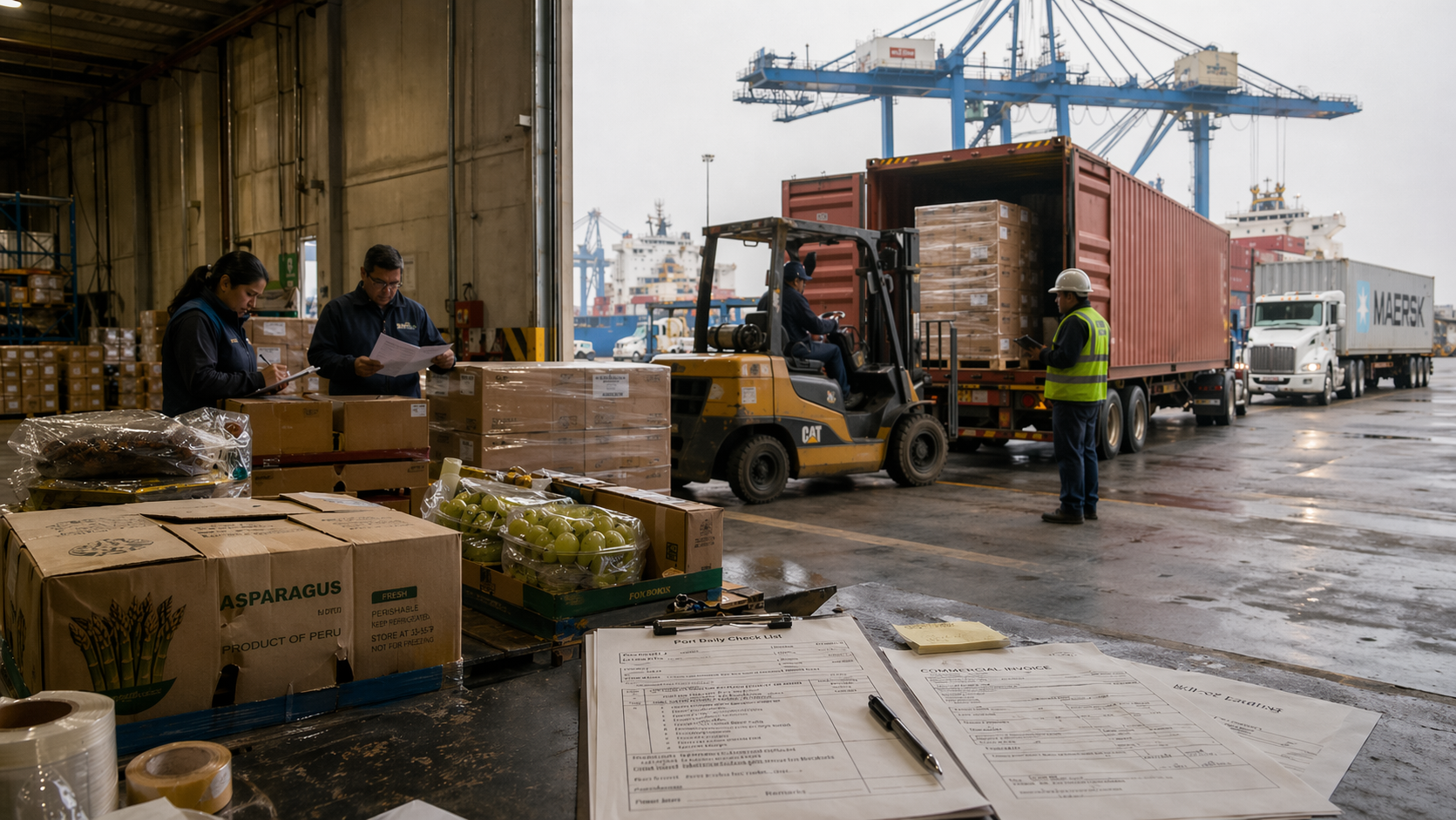
Importing from Peru to the U.S.: What End-to-End Support Looks Like
Importing from Peru to the U.S. becomes easier when sourcing, shipping, customs, and delivery are managed as one connected process. This article explains what end-to-end support looks like and why it matters for businesses importing from Peru.
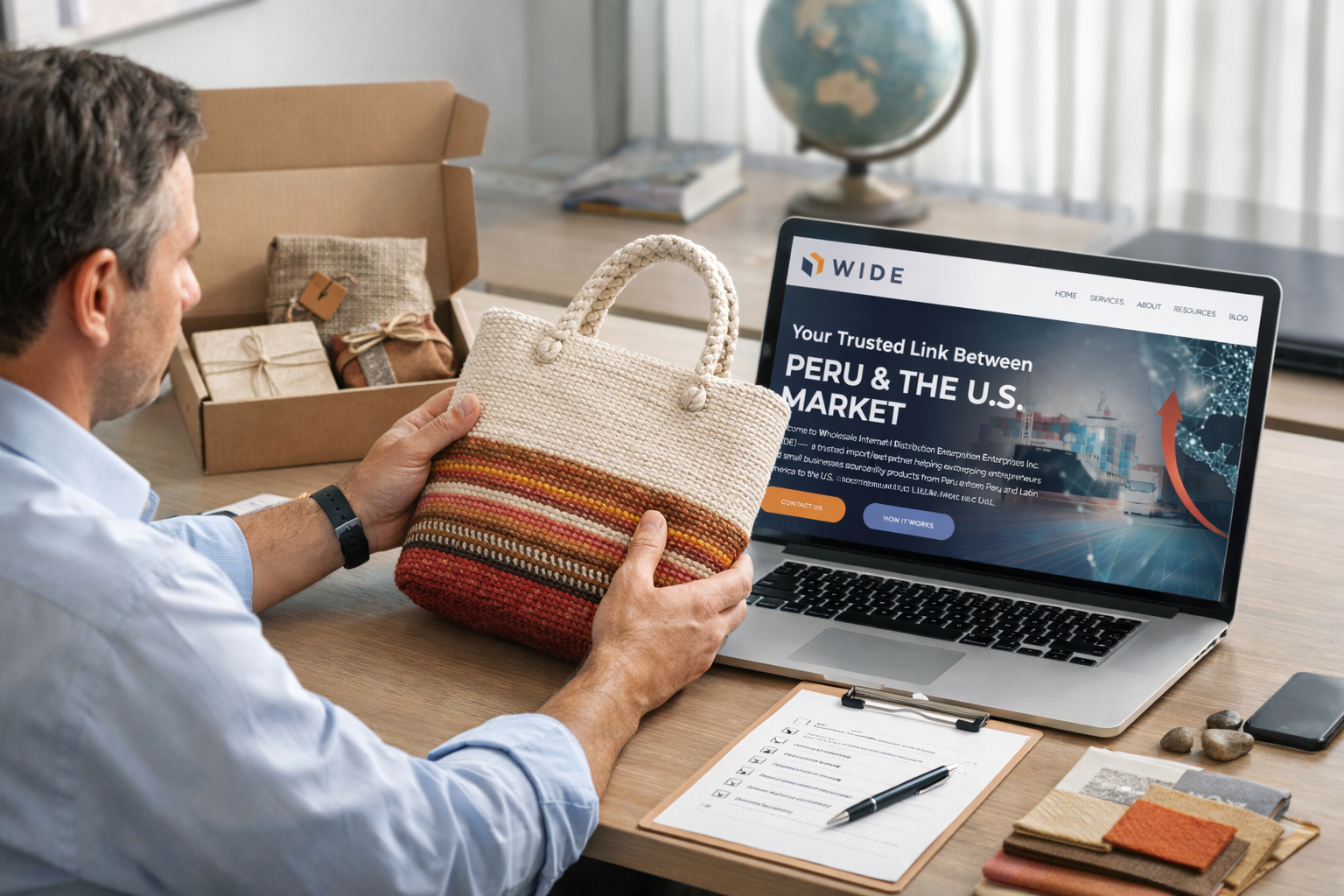
How Can Samples Help Reduce Risk in Custom Sourcing From Peru Before a Bulk Order?
Learn how samples can help U.S. businesses validate product quality, packaging, and supplier alignment in custom sourcing from Peru before placing a bulk order.
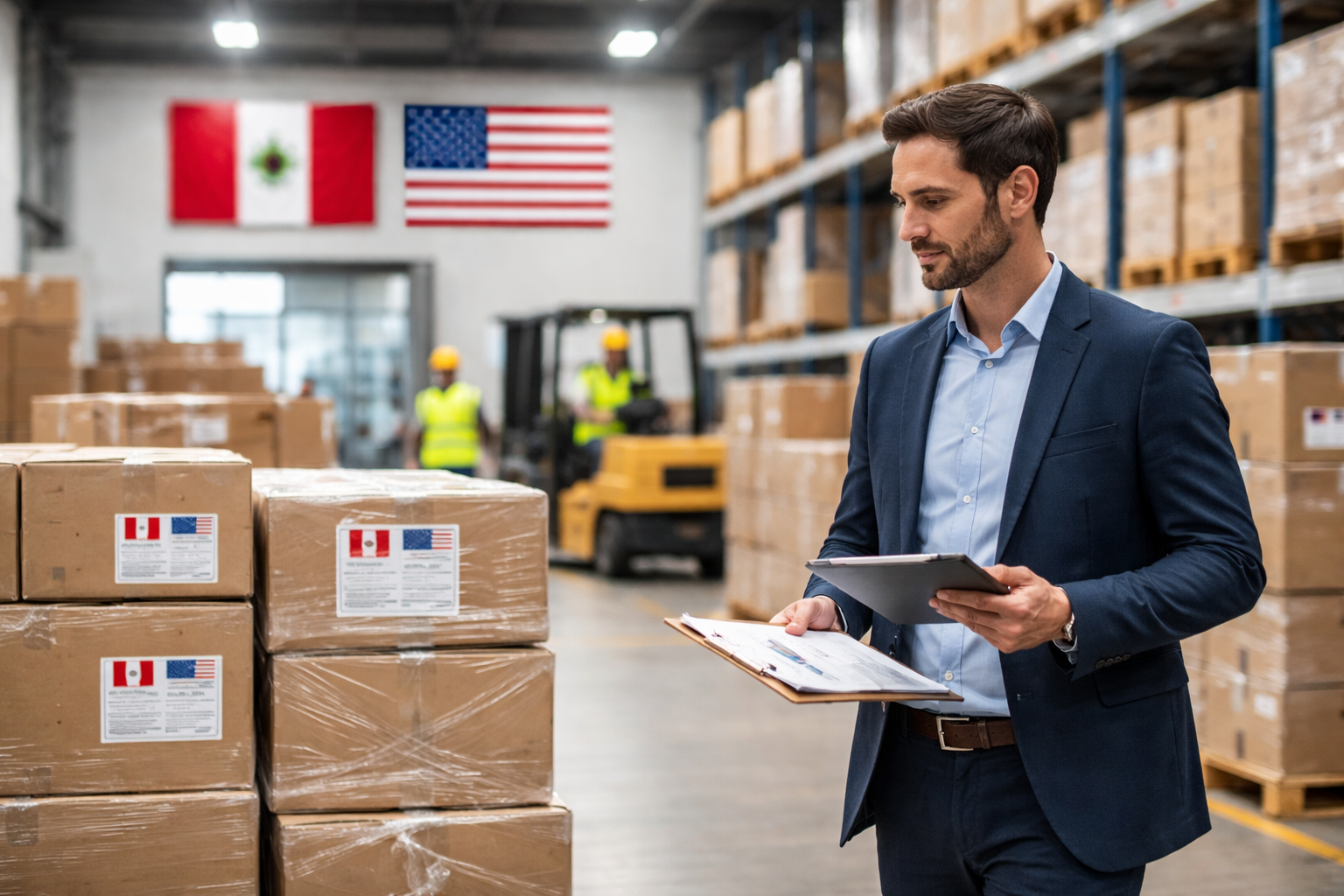
Importing From Peru to the U.S.: What Costs Should Businesses Consider Before Placing an Order?
When importing from Peru to the U.S., the supplier’s quote is only one part of the total cost. Businesses should also consider freight, coordination, compliance-related factors, and post-arrival delivery before placing an order.
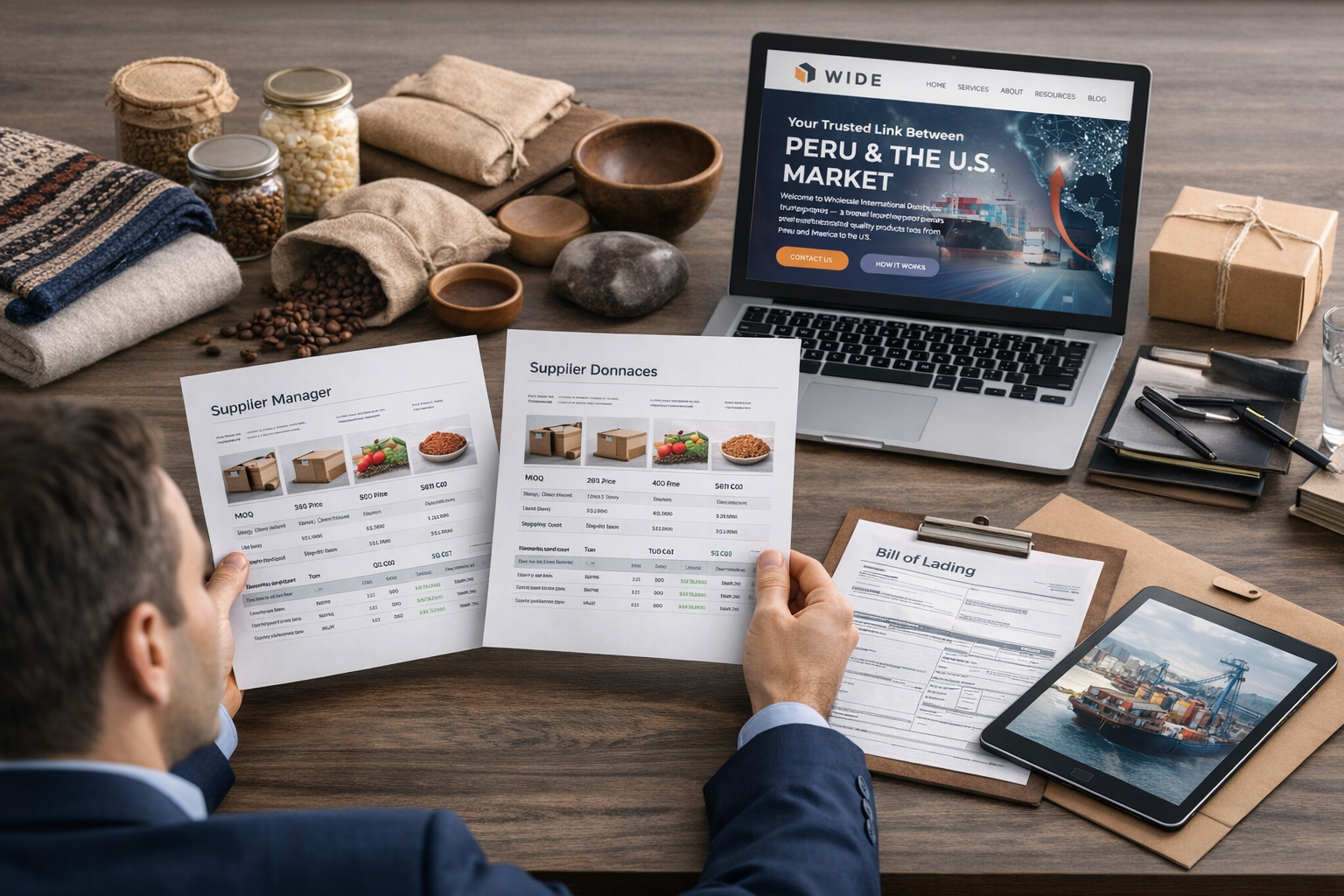
How to Compare Suppliers in Custom Sourcing from Peru Before Placing an Order
Choosing a supplier in Peru is not only about price. Learn how U.S. businesses can compare suppliers more strategically to reduce sourcing risk, improve communication, and make better purchasing decisions.

What Should U.S. Businesses Know Before Placing a First Order with a Supplier in Peru?
Before placing a first order with a supplier in Peru, U.S. businesses should clarify product requirements, confirm supplier capabilities, and understand how early decisions affect sourcing, logistics, and import coordination.
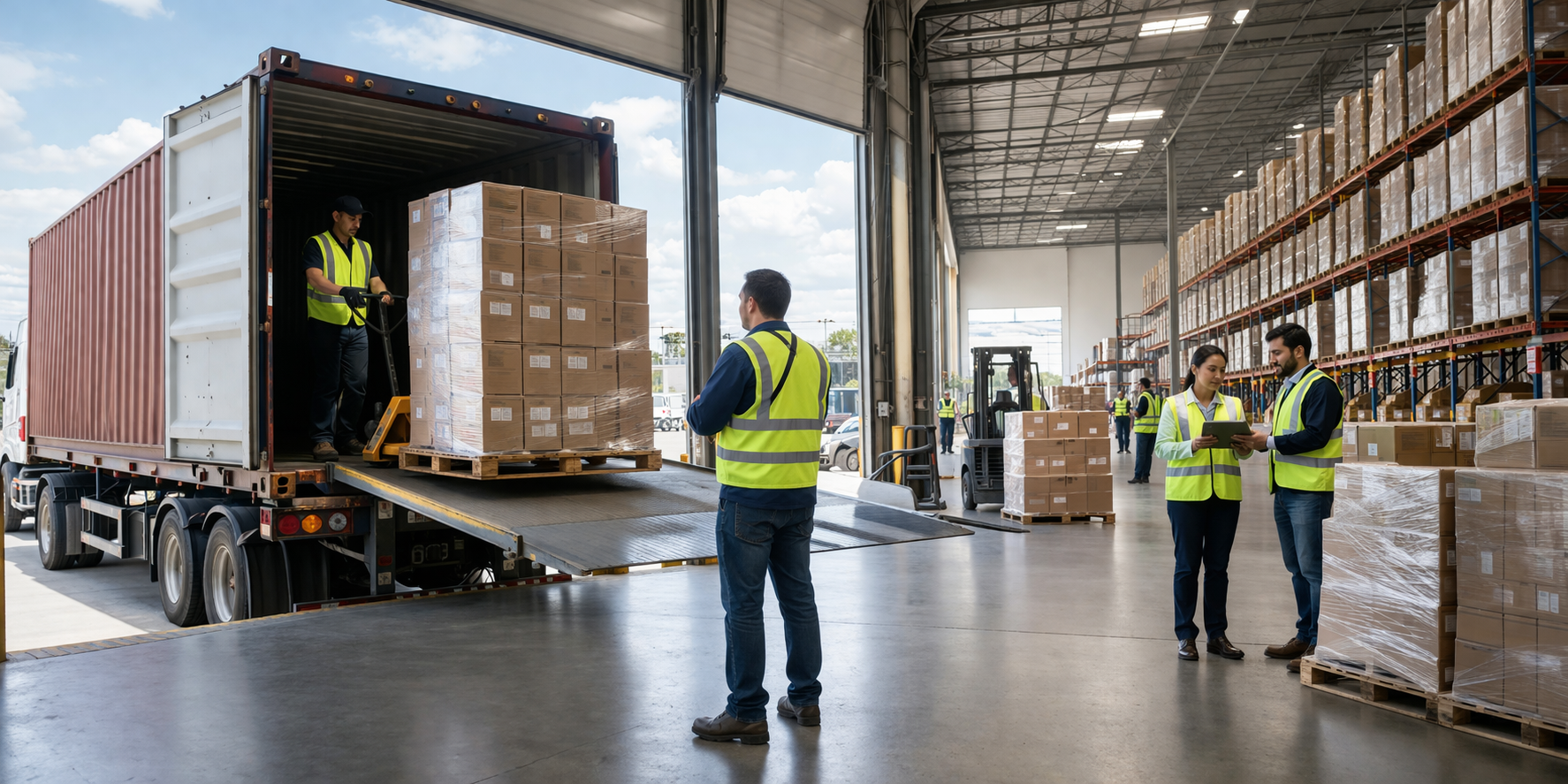
U.S. Distribution and Delivery: What Happens After Your Shipment Arrives in the U.S.?
A practical look at post-arrival distribution in the U.S. and the key logistics steps that help imported goods move efficiently after arrival from Peru.
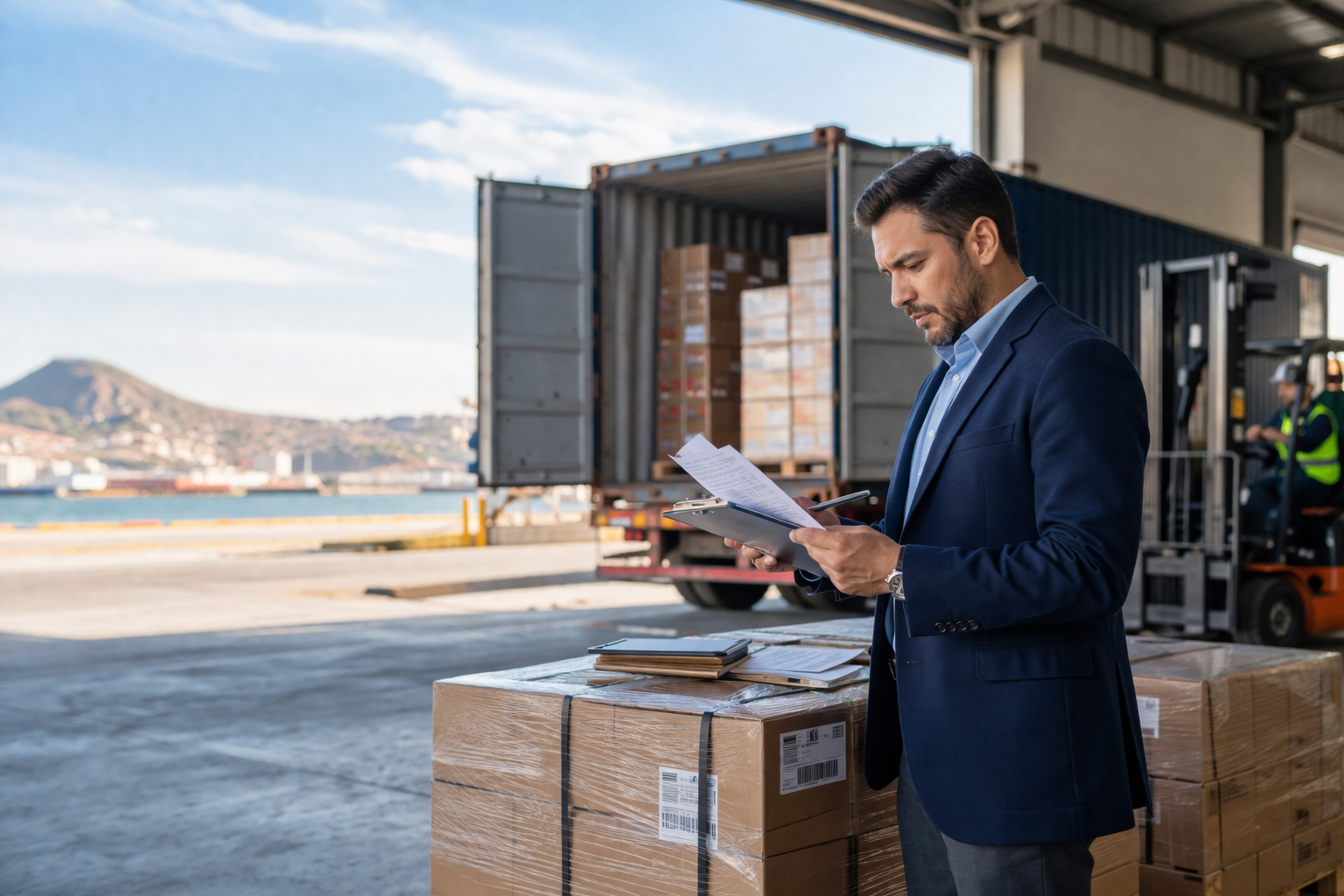
Customs and Import Compliance: What U.S. Businesses Should Check Before Importing From Peru
Learn what U.S. businesses should check before importing from Peru, including documentation, product-specific requirements, and common customs and import compliance mistakes that can delay shipments.
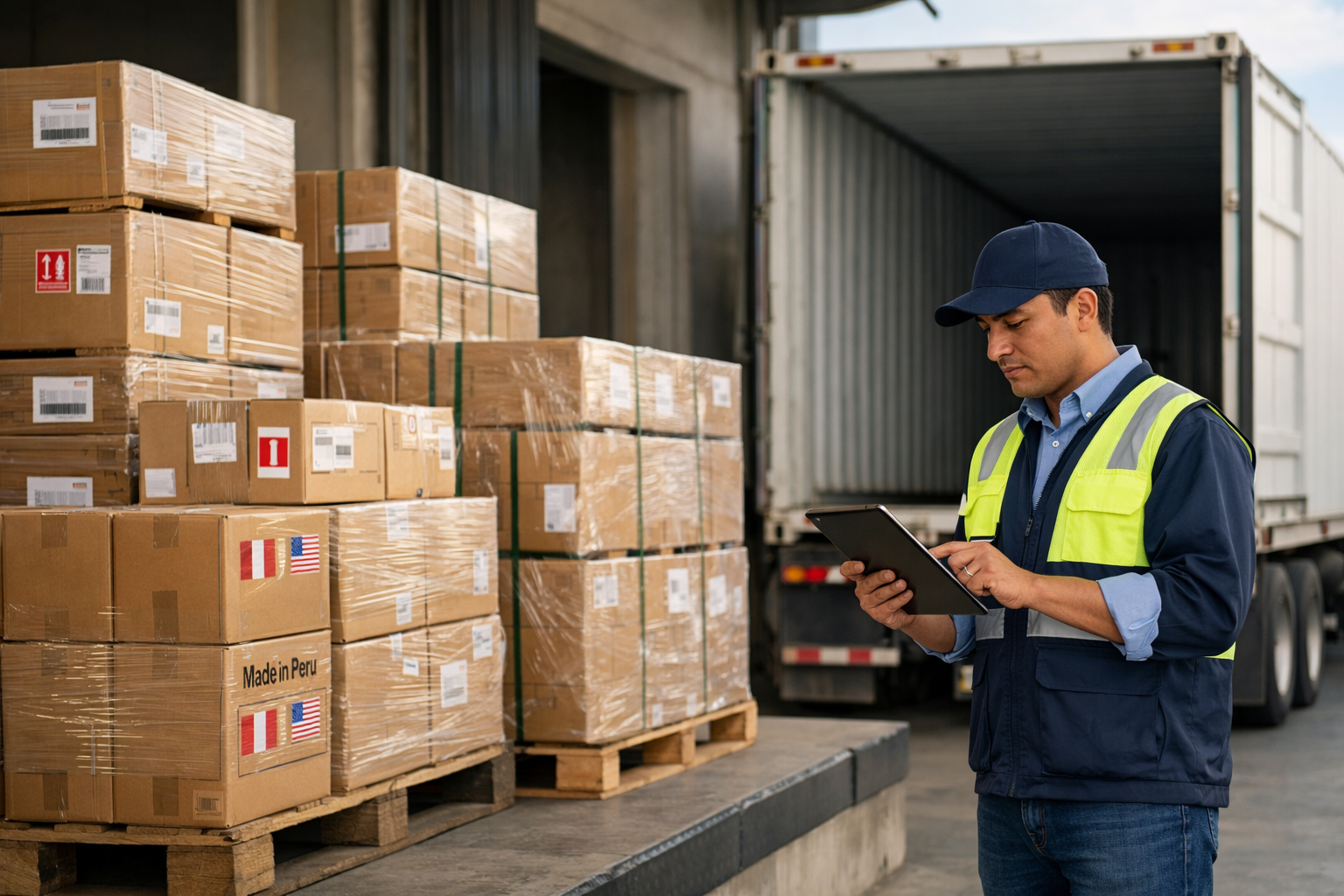
What Affects Shipping Times When Importing from Peru to the U.S.? Key Factors Businesses Should Know
Importing from Peru to the U.S. depends on supplier readiness, freight strategy, documentation, and delivery coordination. Here are the key factors that shape shipping timelines.
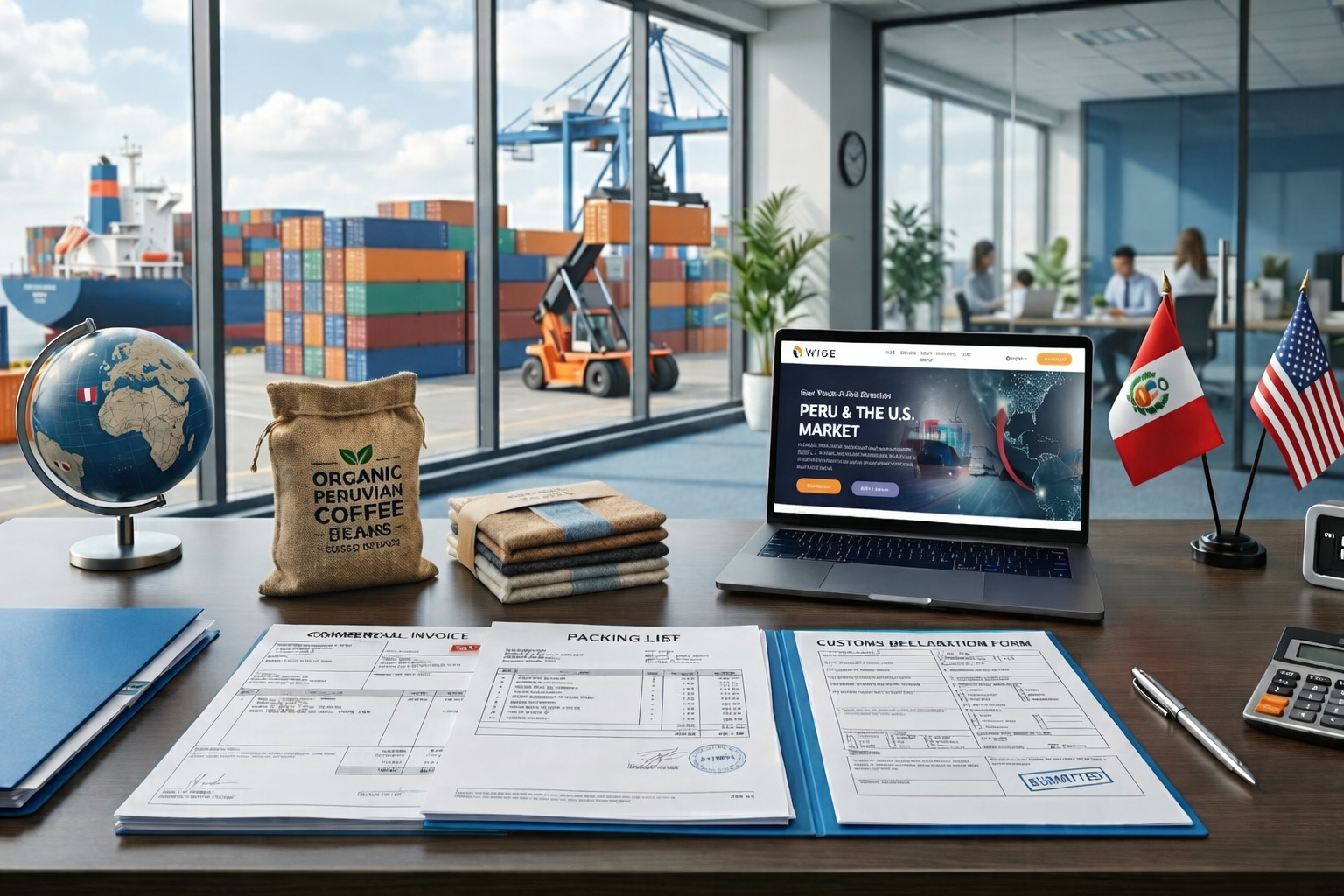
What Documents Do You Need to Import from Peru to the U.S.?
Learn which shipping and customs documents matter most when importing from Peru to the U.S., and why customs and import compliance should be part of the process from the beginning.
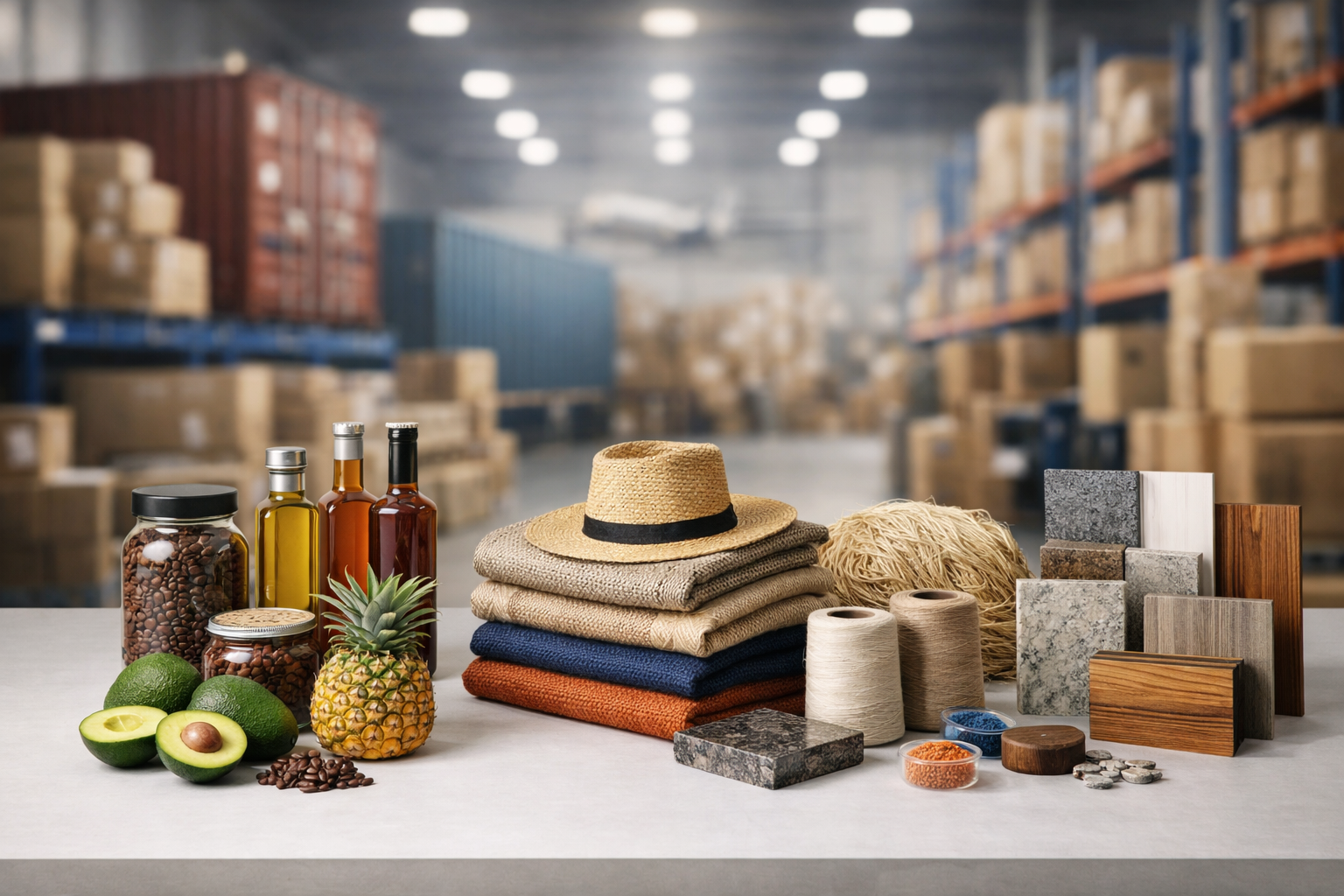
Who Does Wide Work With? Latin America Sourcing for U.S. Businesses
Learn who Wide works best with and how its Latin America sourcing support helps U.S. businesses navigate supplier coordination, shipping, compliance, and import logistics with more confidence.
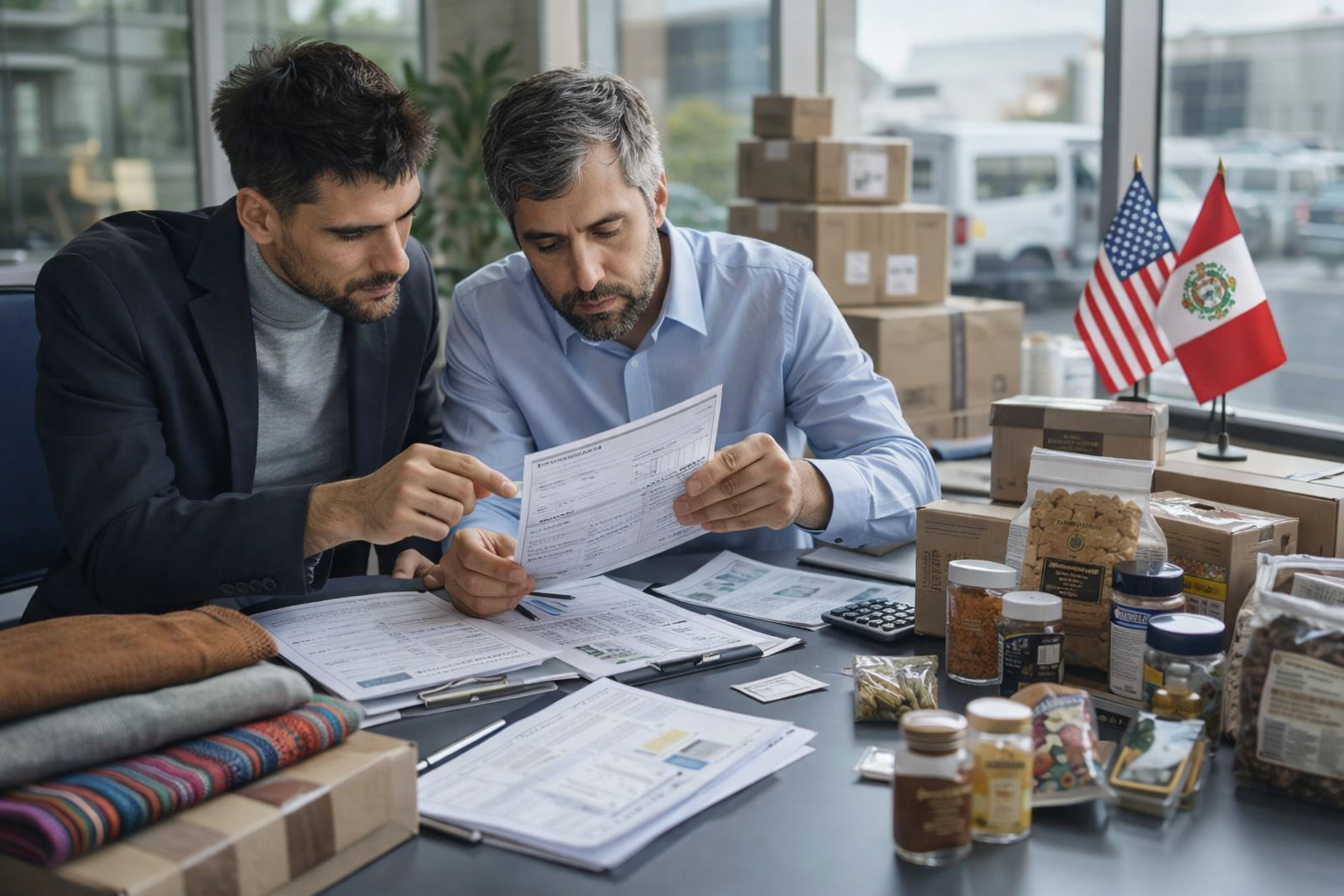
What Kind of Products Can a Peru Sourcing Company Help You Source?
Wide helps U.S. businesses explore food products, raw materials, and general merchandise from Peru and Latin America, with custom sourcing support when needed.
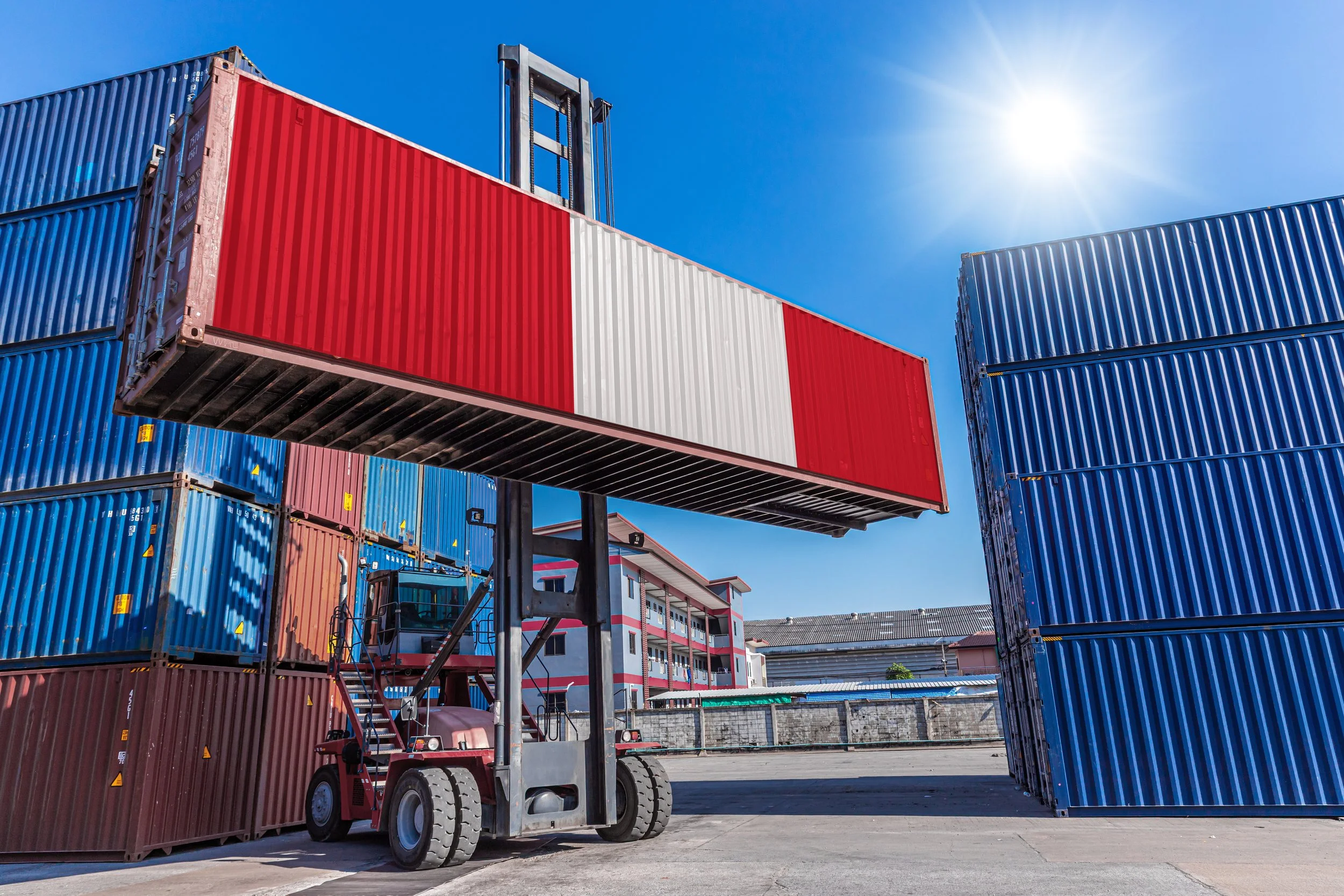
Why Small Businesses Should Consider Importing from Latin America
Importing from Latin America isn’t just for big companies anymore. Discover how small businesses can benefit from unique products, lower sourcing costs, and better supplier relationships by tapping into Latin America’s trade potential.

How Custom Sourcing Unlocks Growth for U.S. Small Businesses
Looking to import unique products from Latin America? Learn how custom sourcing with WIDE helps small U.S. businesses connect with reliable Peruvian suppliers, simplify logistics, and grow their product line — without the headaches of doing it alone.
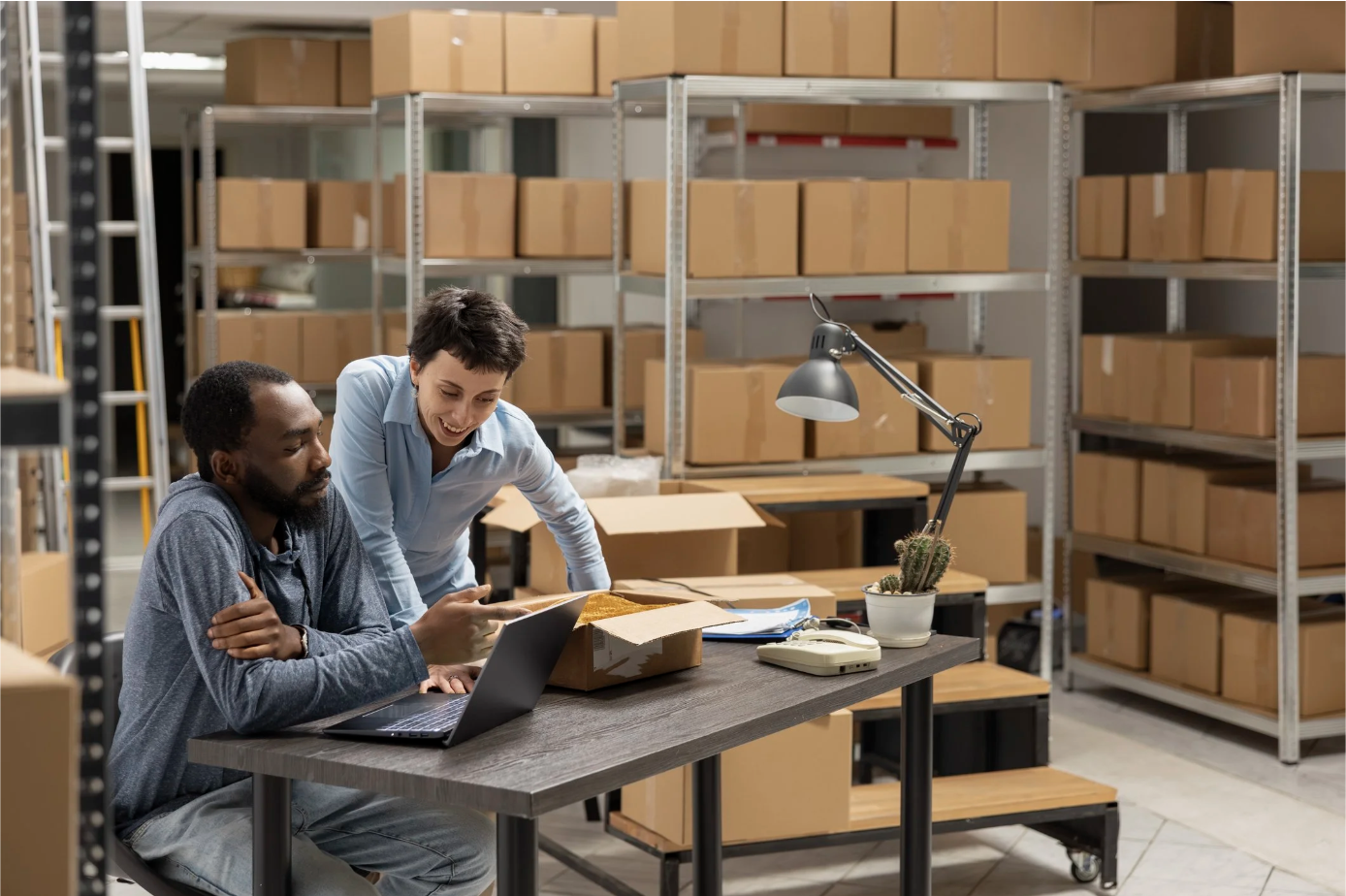
Checklist — What to Know Before Importing Food Products from Peru to the U.S.
Language and cultural barriers can slow down your sourcing process. Learn how bilingual partners like WIDE help bridge the gap — and why it saves you more than just time.

How Bilingual Sourcing Partners Save Small Businesses Time, Money, and Stress
Language barriers can turn global sourcing into a headache. Learn how bilingual sourcing partners like WIDE streamline communication, reduce risk, and build real trade relationships that help your business grow.