
U.S. Distribution and Delivery: What Happens After Your Shipment Arrives in the U.S.?
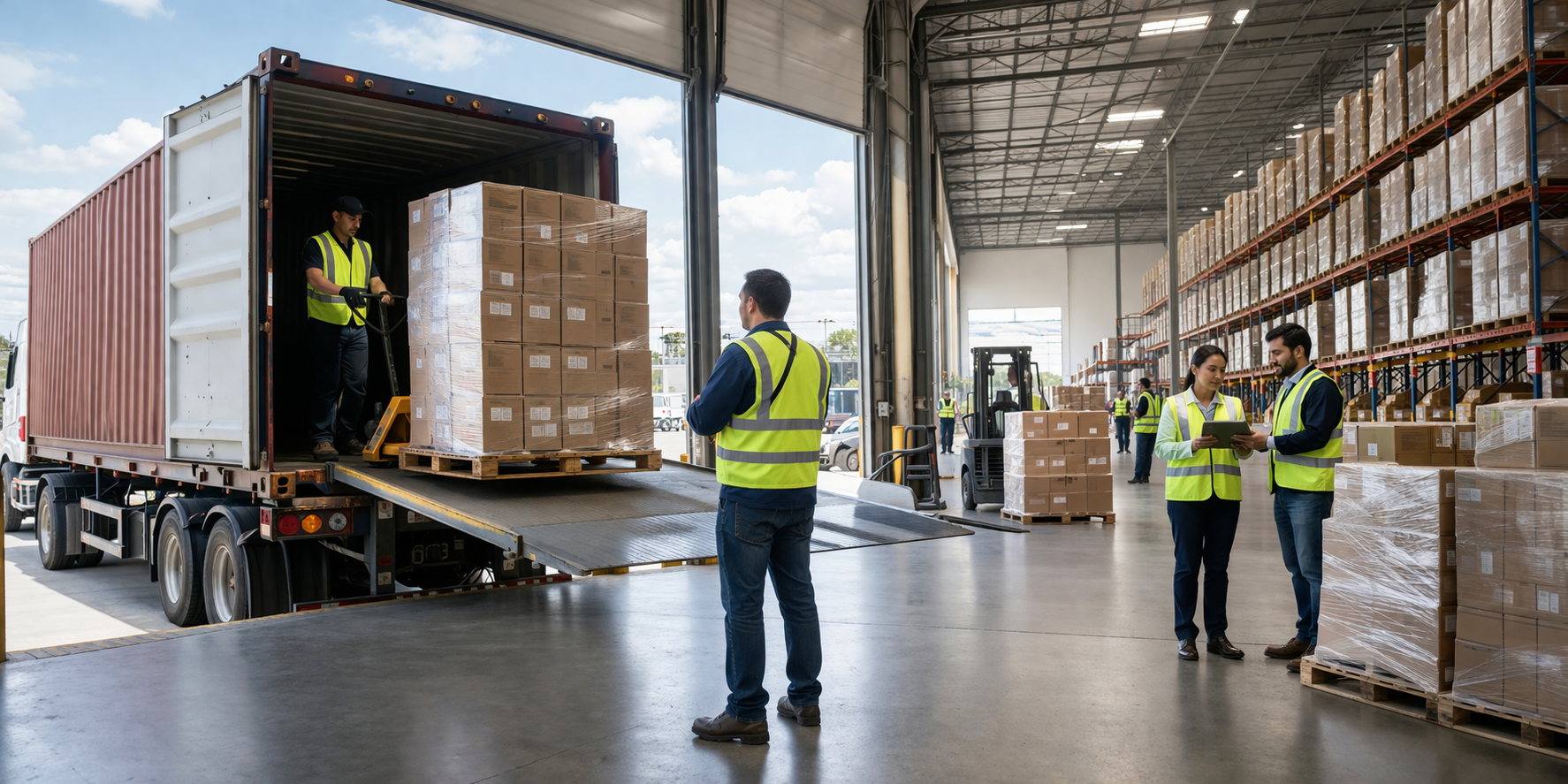
For many businesses importing from Peru to the U.S., the main focus tends to be on sourcing, freight, and customs paperwork. However, U.S. distribution and delivery become equally important once the shipment arrives. After cargo enters the country, the next challenge is ensuring that those goods reach the location where they need to be stored, received, fulfilled, or used.
That next phase may include warehouse delivery, coordination with a 3PL, temporary storage, appointment scheduling, or final delivery to a business location. If those steps are not planned early, a shipment can technically arrive on time and still create operational delays, extra costs, or internal confusion. That is why businesses should treat this stage as part of the import process itself, not as something to solve after the cargo lands.
What businesses should define before U.S. distribution and delivery begin
One of the best ways to reduce post-arrival friction is to define the next destination before the shipment reaches the U.S. That means answering a few practical questions in advance: Where will the goods go after release? Is the destination a warehouse, a fulfillment center, a retail location, or a customer facility? Does the receiving point require an appointment, special handling, or advance notice?
These details matter because the post-arrival process changes depending on the destination. A company-owned warehouse may follow one type of receiving procedure, while a shared facility or fulfillment center may have stricter scheduling or documentation requirements. When businesses define that early, they create a clearer handoff between import entry and domestic movement.
Timing also matters. In some cases, the final destination is not immediately ready to receive the cargo. When that happens, temporary storage or a staged delivery plan may be the better option. The goal is to avoid making those decisions under pressure once the shipment is already in the country.
The difference between warehouse delivery, 3PL coordination, and final delivery
These terms are often used together, but they do not always mean the same thing. Understanding the difference helps businesses plan the next step more clearly.
Warehouse delivery usually means moving imported goods to a storage or inventory location where the business can hold, organize, or prepare the products for future use. This is common when inventory needs to be received first before being sold, distributed, or allocated.
3PL coordination refers to working with a third-party logistics provider that may handle storage, inventory movement, fulfillment, or additional distribution services. In this case, delivery is not only about transport. It also involves making sure the receiving process, timing, and documentation are aligned with the provider’s system.
Final delivery is the last movement that brings the goods to their actual operational destination. Depending on the business model, that could mean a warehouse, a retail site, a business facility, or another endpoint in the domestic supply chain.
The key point is that post-arrival logistics is not one simple step. It is a sequence that depends on what the business needs the cargo to do once it is inside the U.S.
Common post-arrival mistakes that slow distribution
One common mistake is assuming that once the shipment clears customs, the rest of the process will move on its own. In practice, many post-arrival issues come from simple coordination gaps. The receiving location may not be ready, the delivery appointment may not be scheduled correctly, or the shipment may arrive without a clear plan for what happens next.
Another frequent issue is failing to confirm destination requirements early enough. Some facilities have receiving windows, unloading conditions, document expectations, or handling limitations. When those details are overlooked, distribution can slow down even if the international shipment itself was handled correctly.
Businesses also run into problems when they treat inland delivery as separate from the broader import operation. But once goods arrive in the U.S., transportation, receiving, warehousing, and internal planning all become connected. A delay in one part can affect inventory availability, fulfillment timing, and downstream business decisions.
That is why the post-arrival stage should be managed with the same attention businesses give to sourcing and shipping. A shipment is not truly ready when it reaches the port. It is ready when it reaches the right destination in a usable and organized way.
How the right partner helps keep the process organized
This is where the right support structure can make a real difference. Businesses importing from Peru to the U.S. often need more than freight movement. They need a process that stays organized after arrival, especially when there are multiple handoffs between customs, transport, warehouse receiving, and final destination.
A well-coordinated partner helps reduce uncertainty by making the post-arrival phase easier to manage. That can mean helping align timing, improving communication between parties, and creating a clearer path from arrival to delivery. For businesses handling cross-border operations, that kind of visibility can make domestic distribution more predictable and less reactive.
This is also where Wide fits naturally into the process. For companies that need support beyond the port, Wide helps connect sourcing, logistics coordination, and delivery planning so imported goods can continue moving with more clarity and control.
Final Thoughts
Importing does not end when a shipment arrives in the U.S. In many cases, that is when a new operational stage begins. Warehouse delivery, 3PL coordination, temporary storage, and final delivery all shape how efficiently imported products actually move into the business.
When companies plan that stage early, they reduce friction, improve visibility, and create a more complete import process from origin to destination. For businesses importing from Peru to the U.S., that extra coordination can make the difference between cargo that simply arrives and cargo that is truly ready to support operations.
If your business is preparing to import products from Peru to the U.S., Wide can help you coordinate the process beyond the port. From logistics support and delivery planning to post-arrival coordination, our team helps businesses move imported goods with greater clarity and control.