
Packaged Goods From Peru: What Should U.S. Businesses Clarify Before Sourcing?
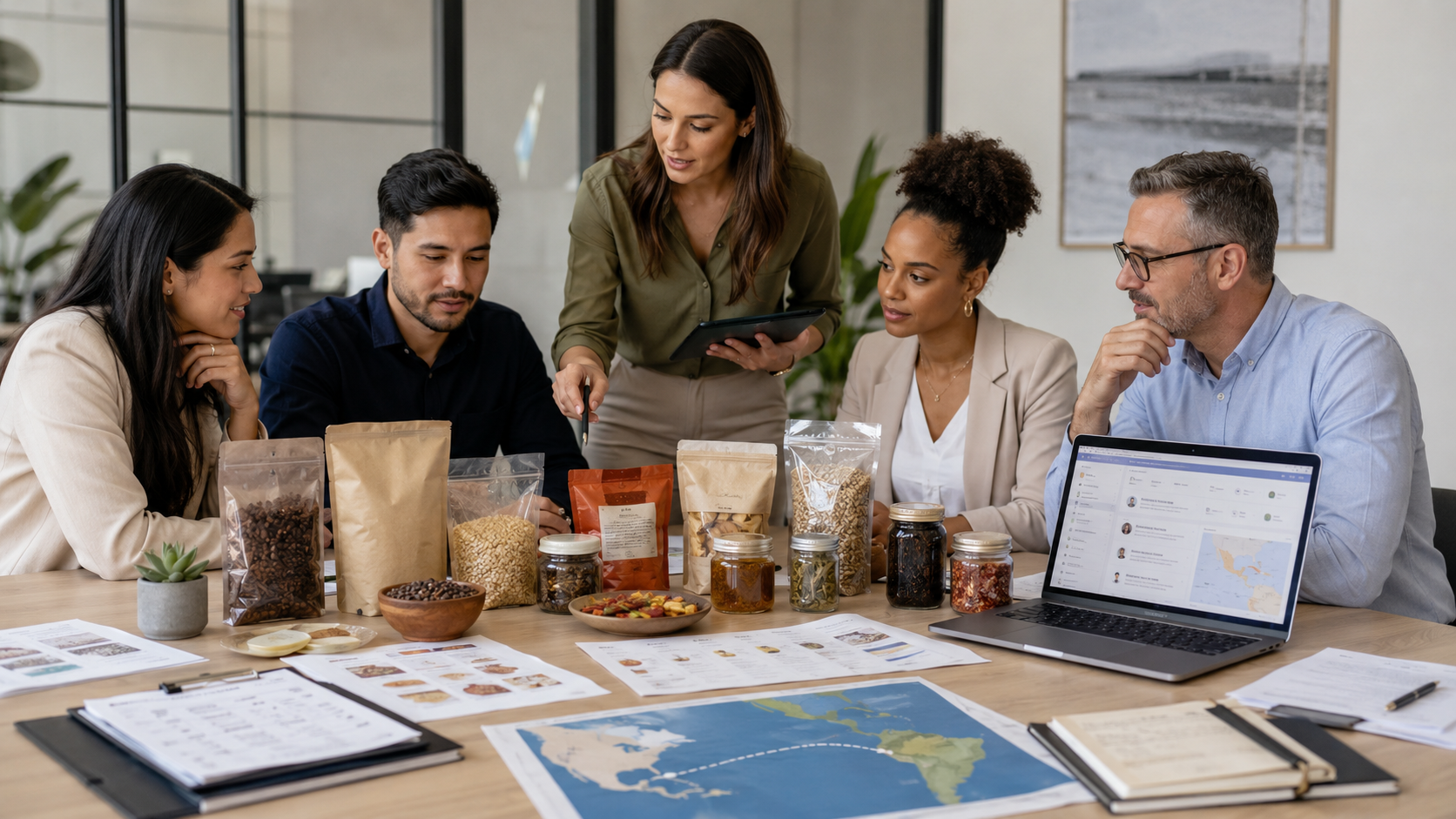
Packaged goods from Peru can be a practical sourcing category for U.S. businesses exploring food products, snacks, spices, or other consumer-ready items from Latin America.
When a company begins custom sourcing from Peru, the first step should not only be asking whether a product is available. The business also needs to clarify what type of packaged good it wants, what product details matter, what quantity it is considering, how supplier options should be reviewed, and where the goods need to arrive in the United States.
This article focuses specifically on packaged goods from Peru as a custom sourcing topic. It is not a packaging and labeling guide, a general food import checklist, a superfoods article, or a final delivery guide. Instead, it explains what U.S. businesses should clarify before supplier research begins so the sourcing request can connect more clearly with logistics, documentation, customs-related review, bilingual communication, and U.S. distribution and delivery.
Why Packaged Goods From Peru Need More Than a Product Name
Packaged goods from Peru should be sourced with more detail than a general product name.
A business may be interested in a snack, spice, packaged food item, specialty product, or consumer-ready good. However, a broad request can make supplier research harder to evaluate. The sourcing conversation becomes more useful when the business can explain the product category, preferred specifications, estimated quantity, intended use, timeline, and final U.S. destination.
For example, a business looking for a packaged food product may need to clarify whether the product is intended for retail, distribution, online sales, wholesale, or another commercial path. These details help move the request from a general idea to a more practical sourcing conversation.
This does not mean every detail must be final from the beginning. In many cases, custom sourcing helps refine the request. Still, the business should provide enough information to help a Peru sourcing company review supplier options with more direction and fewer assumptions.
What Product Details Should Be Clarified Before Supplier Research?
Before supplier research begins, the business should organize the product information that will guide the sourcing request.
The most useful starting points include the product type, preferred specifications, estimated order quantity, intended use, preferred timeline, supplier expectations, and final U.S. destination. These details help define what kind of supplier options should be reviewed and what questions may need attention before moving forward.
For packaged goods, the business may also need to clarify the commercial context. A product intended for a specialty retail shelf may require a different conversation than a product intended for online sales, wholesale distribution, or a first test order. A recurring supply need may also require a different sourcing discussion than a one-time shipment.
The goal is not to make the process more complicated. The goal is to make supplier research more focused. When the sourcing request is clear, the business can better understand whether available supplier options fit its product expectations, quantity needs, timing, and broader import plan.
How Packaged Goods Connect With Import Planning
Sourcing packaged goods from Peru should stay connected to import planning from the beginning.
Once a supplier option is identified, the business still needs to understand how the product may move from Peru or Latin America to the United States. That process may involve logistics and freight coordination, shipping documents for imports, customs and import compliance support, bilingual communication, and U.S. distribution and delivery.
This is why product details matter early. Product descriptions, quantities, supplier information, timing, and final destination details can all affect how the shipment should be reviewed and coordinated.
A product may be available from a supplier, but the business still needs to understand whether the sourcing option fits the practical import path. The order should be reviewed not only as something to buy, but as something that must be prepared, documented, shipped, reviewed for customs-related requirements, and delivered to the correct U.S. destination.
A stronger approach connects supplier research with the next operational steps. This helps the business understand what should be confirmed before the packaged goods move too far ahead in the import process.
Why Bilingual Communication Helps Keep the Request Clear
Bilingual import support can be useful when packaged goods are sourced from Peru or Latin America for a U.S.-based business.
A U.S. buyer may explain product expectations, quantity needs, timeline, and final delivery destination in English. A supplier in Peru or Latin America may provide product information, availability details, preparation timing, or shipment details in Spanish. If those details are not communicated clearly, the sourcing request can become harder to evaluate.
Clear bilingual communication helps reduce confusion around product specifications, supplier options, quantities, documentation questions, logistics needs, and delivery planning. It also helps the business understand what has been confirmed, what still needs review, and which details should be clarified before moving forward.
For small businesses, entrepreneurs, specialty retailers, online sellers, and growing brands, this type of support can make the sourcing process easier to follow from the first product request to final U.S. delivery.
Final Thoughts
Packaged goods from Peru can be a useful sourcing category for U.S. businesses, but the process should begin with clear product information.
Before moving forward, businesses should clarify the product type, specifications, quantity expectations, intended use, timeline, supplier needs, documentation questions, logistics requirements, bilingual communication needs, and final U.S. delivery destination.
This preparation helps connect custom sourcing from Peru with supplier research, logistics and freight coordination, customs and import compliance, and U.S. distribution and delivery. When the sourcing request is clear from the beginning, the business can move forward with fewer assumptions and a more organized path from supplier research to final delivery in the United States.
If your business is interested in sourcing packaged goods, snacks, spices, food products, or consumer-ready items from Peru or Latin America, WIDE can help you organize the process with more clarity.
Contact WIDE to discuss your product request, specifications, quantity expectations, supplier needs, documentation questions, logistics requirements, bilingual communication needs, and final U.S. delivery destination. Our team can help connect your packaged goods sourcing request with a clearer import path from Peru or Latin America to the United States.