
Packaging and Labeling Guidance for Imports From Peru: What Should Businesses Review?
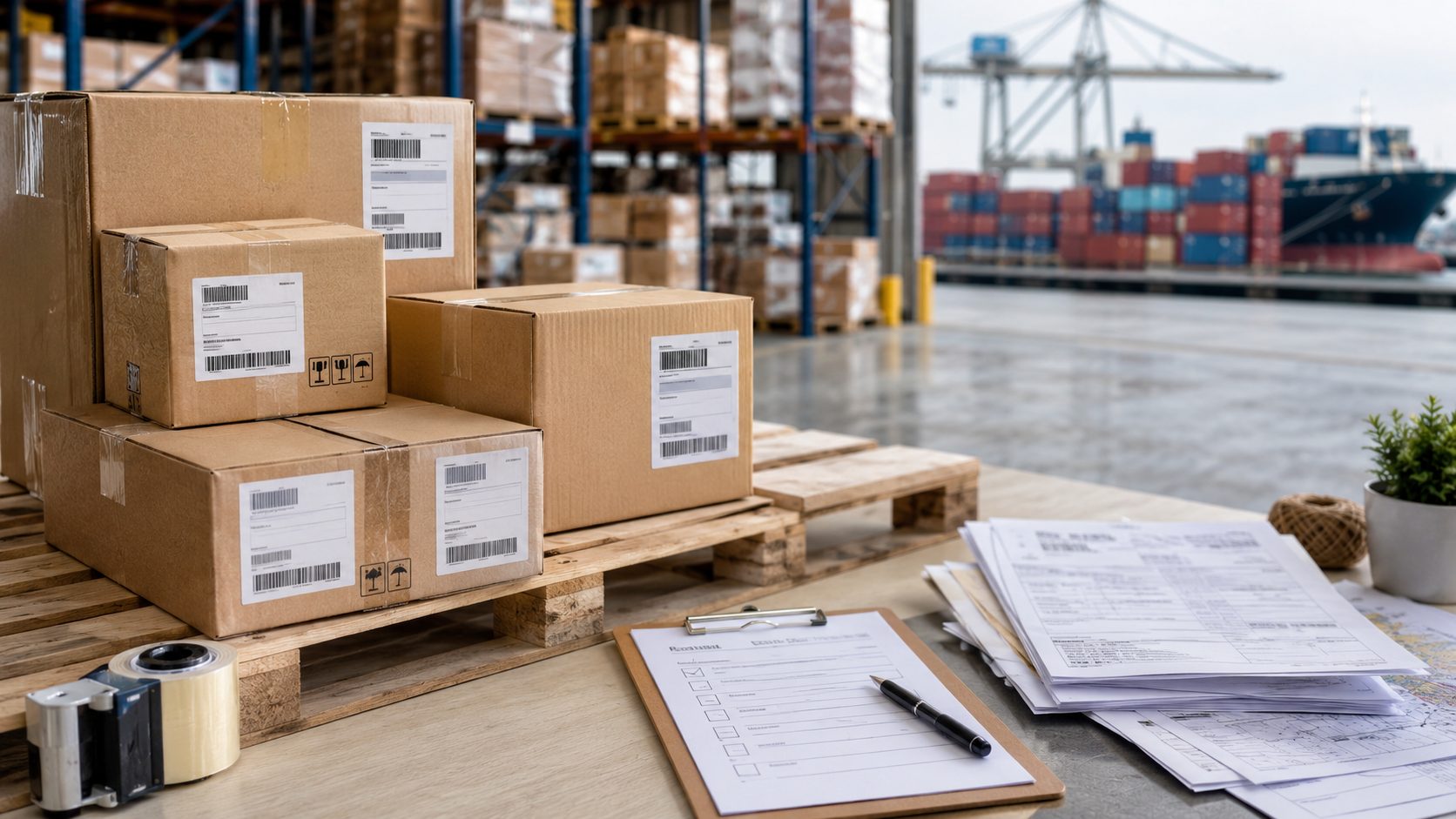
Packaging and labeling guidance for imports helps businesses review how products should be packed, identified, documented, and prepared before shipping from Peru to the U.S.
For U.S. businesses sourcing from Peru or Latin America, these details can affect supplier communication, customs-related review, shipping coordination, and final delivery after arrival.
Packaging and labeling should not be treated only as a final design decision. They are part of the broader import process, especially when a business needs to move products from a supplier in Peru to a warehouse, storefront, fulfillment center, or another destination in the United States.
Why Packaging and Labeling Guidance for Imports Should Start During Sourcing
Packaging and labeling guidance for imports should begin early because packaging details are connected to the product request itself.
When a business starts custom sourcing from Peru, it usually needs to define the product, quantity, timeline, and intended use. Packaging should be part of that conversation because it can affect how clearly the supplier understands the request and how the product will be prepared for the next steps.
For example, a business may be sourcing food products, raw materials, artisan goods, textiles, or general merchandise. Each product category may require different packaging conversations before the supplier can confirm availability, pricing, lead times, and shipping readiness.
This does not mean the business needs to solve every technical detail alone. However, it should be able to explain what it needs the product to be, how it expects the product to arrive, and where the product will go after it reaches the U.S.
A sourcing partner like WIDE can help organize these conversations by connecting the product request with supplier options, quantities, timelines, logistics coordination, and customs-related considerations.
What Packaging and Labeling Details Should Be Clarified?
Before importing from Peru to the U.S., businesses should clarify the packaging and labeling details that are relevant to their product and sales channel.
This may include how the product should be packed, how quantities should be organized, what product information needs to be reviewed, and whether the shipment should be prepared for storage, resale, fulfillment, or direct delivery after arrival.
The right questions will depend on the product. A packaged food item may require different preparation than a raw material, textile, handmade good, or general merchandise product. A product going to a storefront may also have different needs than one going to a warehouse, fulfillment center, or 3PL partner.
The goal is not to make the process more complicated. The goal is to reduce uncertainty before the order moves forward.
When packaging and labeling expectations are discussed early, the business, supplier, and import support team can work with clearer information. That can help avoid confusion later in the process, especially when shipping documents, customs-related review, and U.S. delivery planning need to be coordinated.
How Packaging and Labeling Connect to Customs and Import Compliance
Packaging and labeling are also connected to customs and import compliance because imported products need to be reviewed according to the type of product, documentation, and applicable import standards.
WIDE’s customs and import compliance support includes required customs documents, regulatory compliance, HS codes and duties, and labeling and packaging guidance. This is why packaging and labeling should be considered part of the import plan, not a separate detail added at the end.
For businesses importing from Peru, this matters because the shipment may involve several connected steps: supplier preparation, shipping documents, customs clearance, compliance review, and delivery to the final destination in the U.S.
Packaging and labeling details can help clarify what the product is, how it is being prepared, and how the shipment should be handled through the import process.
Because requirements may vary by product type, businesses should avoid assuming that every shipment will need the same review. Instead, they should organize the right information early and work with support that understands sourcing, logistics, documentation, and compliance coordination.
Why Final Delivery Should Shape Packaging Decisions
The import process does not end when the goods arrive in the United States.
After arrival and customs clearance, products may still need to move to a warehouse, storefront, fulfillment center, 3PL provider, or another business location. WIDE’s logistics and freight coordination support includes port-to-door service, final-mile delivery coordination, warehousing or temporary storage support, and delivery to a location, fulfillment partner, or 3PL of choice.
That means packaging decisions should be connected to the destination.
If the product will go to a fulfillment center, the business may need to think about how the goods will be received and organized. If the product will go to a storefront, the business may need to consider whether the product is prepared for resale. If the shipment will go to storage first, the business should think about how clearly the goods can be identified and managed after arrival.
These details are easier to address before the shipment leaves Peru than after the goods are already in transit or waiting for delivery in the U.S.
Final Thoughts
Packaging and labeling guidance for imports helps businesses plan with more clarity before importing products from Peru to the U.S.
By reviewing packaging expectations, product information, supplier readiness, customs-related considerations, and final delivery needs early, businesses can make the import process more organized from the beginning.
This topic is especially important for small businesses, entrepreneurs, specialty retailers, and growing brands that want to source products from Peru or Latin America without managing every step alone.
Packaging and labeling should support the full import path: custom sourcing, supplier coordination, shipping preparation, customs and import compliance, and U.S. distribution and delivery.
If your business is preparing to import products from Peru or Latin America, WIDE can help you review the process before your shipment moves.
Contact WIDE to discuss your product, sourcing needs, packaging and labeling questions, quantity expectations, customs-related considerations, and final delivery destination in the U.S.