
Raw Materials From Peru: What Should U.S. Businesses Clarify Before Sourcing?
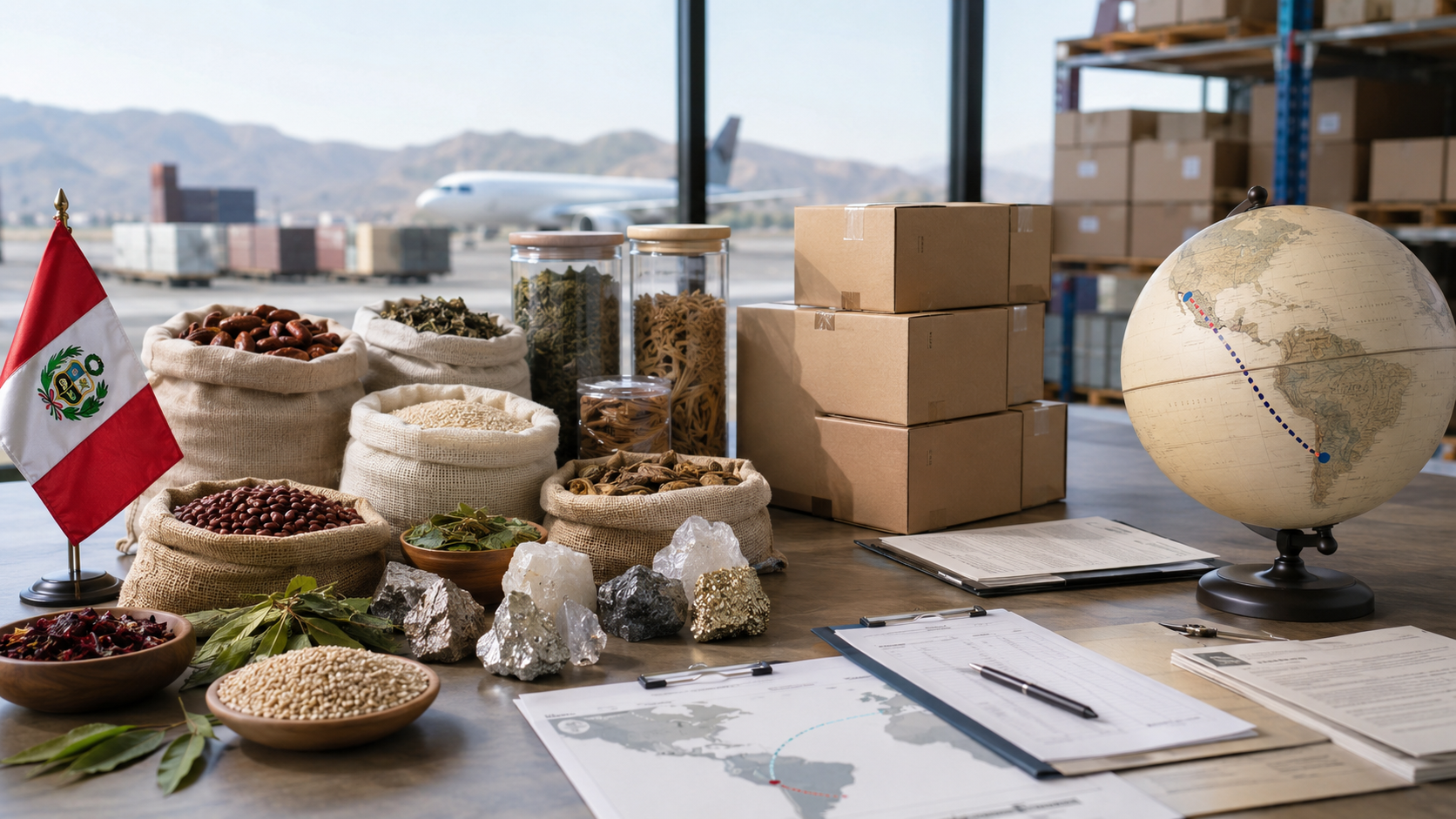
Raw materials from Peru can be a strong sourcing opportunity for U.S. businesses, but the process should begin with clear product specifications, quantity expectations, supplier requirements, import considerations, and final delivery needs.
For companies importing from Peru to the U.S., raw materials may include bulk natural ingredients, industrial inputs, or specialty commodities used for processing, resale, or business operations. Because these products can vary widely by type and intended use, businesses should avoid starting with a vague request.
The more clearly a company defines what it needs, the easier it becomes to evaluate supplier options, estimate timelines, coordinate logistics, and prepare for the next steps in the import process.
Start by Defining the Raw Material Clearly
When sourcing raw materials from Peru, the first step is not only naming the product. The business should clarify what the material is, how it will be used, what quantity is needed, and what expectations must be met before the supplier search begins.
This may include details such as the intended business use, preferred format, estimated volume, destination in the U.S., and whether the product is being considered for a first order, a test shipment, or a more regular sourcing need.
These details matter because raw materials are often part of a larger business process. A company may need them for production, resale, product development, food-related use, or another commercial purpose. Each case may require a different sourcing conversation.
A clearer product request helps a Peru sourcing company identify supplier options that are more aligned with the business need instead of treating the request as a generic product search.
Review Supplier Fit Before Moving Forward
Supplier fit is especially important when sourcing raw materials from Peru.
The right supplier is not only the one that has access to the product. The supplier should also be able to respond to the required quantity, timeline, product expectations, communication needs, and preparation process.
For U.S. businesses, this step can be difficult to manage alone, especially when the supplier is located in another country and communication happens across languages, time zones, and commercial practices.
This is where custom sourcing from Peru can help organize the process. Instead of working from a fixed catalog, a sourcing partner can review the business request, research supplier options, confirm availability, and help compare whether each option fits the product, quantity, and timeline required.
For raw materials, this supplier review can be especially useful because the sourcing decision may affect later steps such as shipping preparation, customs review, and delivery planning in the U.S.
Clarify Quantity, Timeline, and Sourcing Expectations
Before requesting a quote or moving forward with supplier coordination, businesses should clarify how much raw material they need and when they expect to receive it.
Quantity can influence supplier options, pricing conversations, preparation timelines, and shipping estimates. A small initial order may require a different approach than a larger shipment connected to production or resale. A business should also consider whether it is exploring the product for the first time or planning a longer-term sourcing path.
Timeline is also important. Raw materials may need to arrive before a production cycle, product launch, retail season, or customer delivery window. If these timing needs are not discussed early, the sourcing process can become harder to coordinate.
A practical sourcing request should include the product, specifications, estimated quantity, intended use, timeline, and final U.S. destination. With that information, the sourcing process becomes more focused and easier to connect with logistics and import planning.
Connect Raw Material Sourcing With Import Compliance and Delivery
Raw material sourcing should not be separated from the import process.
Once a supplier option is identified, the business still needs to consider how the product will move from Peru to the United States, what documentation may be required, how customs and import compliance will be reviewed, and where the goods need to go after arrival.
These steps may vary depending on the product type and intended use. That is why businesses should avoid assuming that every raw material shipment will follow the same process.
For example, the import plan may need to account for shipping documents, product classification, customs clearance, duties, and final delivery to a warehouse, storefront, fulfillment center, production location, or another business destination.
When sourcing, logistics, compliance, and delivery are planned together, the business can make decisions with a clearer view of the full import path instead of treating each step as a separate task.
Final Thoughts
Sourcing raw materials from Peru can help U.S. businesses access bulk natural ingredients, industrial inputs, specialty commodities, and other product opportunities from Latin America. However, the process should begin with clear information.
Before moving forward, businesses should define the raw material, intended use, quantity, timeline, supplier expectations, import considerations, and final delivery destination.
The strongest sourcing process is not based only on finding a product. It is based on building a clear path from supplier research to import coordination and delivery in the United States.
If your business is exploring raw materials from Peru or Latin America, WIDE can help you organize the sourcing process from the beginning.
Contact WIDE to discuss your product needs, specifications, quantity expectations, supplier requirements, import considerations, and final delivery destination in the U.S. Our team can help you build a clearer plan for custom sourcing, logistics coordination, customs support, and delivery.