
Shipping From Peru to the U.S.: What Details Should Businesses Organize Before Products Leave Peru?
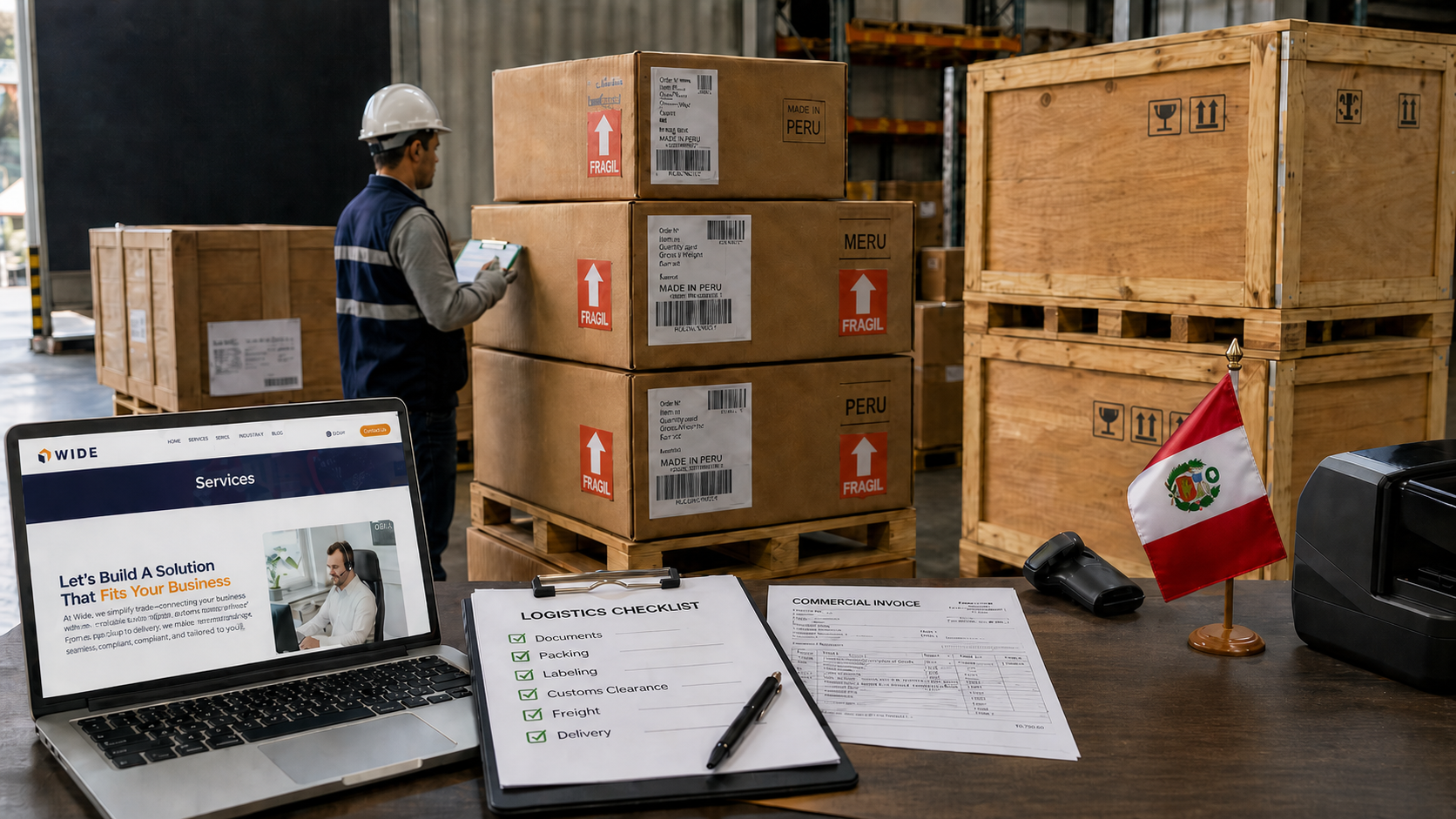
Before shipping from Peru to the U.S., businesses should organize the key details that allow the shipment to move with more clarity. This includes supplier handoff information, freight coordination, shipping documents, contact points, and general delivery expectations before the products leave Peru.
For many U.S. businesses, shipping is often seen as the step that begins after products are ready. In practice, a smoother shipment depends on decisions made before the cargo moves. If important details are unclear at the starting point, the process can become harder to coordinate later.
This article focuses on the shipping details businesses should organize before products leave Peru, so the import process can move with better communication, fewer gaps, and a clearer connection between sourcing, logistics, customs and import compliance, and delivery planning.
Why shipping from Peru to the U.S. should start with organized details
Shipping from Peru to the U.S. should not begin with incomplete information. Before products move, businesses need a clear understanding of what is being shipped, where the goods are coming from, who is responsible for each step, and what information must travel with the shipment.
This planning matters because international shipping involves more than transportation. It also depends on timing, supplier coordination, documentation, customs-related information, and communication between different parties. When these elements are organized early, the shipment has a stronger foundation before it leaves Peru.
For small businesses and first-time importers, this step is especially important. A product may be ready at the supplier’s location, but that does not automatically mean the shipment is ready to move. The business still needs to confirm practical details that help connect the supplier, logistics partner, documentation process, and the next step in the U.S.
Organizing shipping details in advance helps reduce confusion and gives the importer a clearer view of what needs to happen next.
What supplier and shipment information should be ready first
The first step is confirming the basic supplier and shipment information. Businesses should know which supplier is preparing the goods, what products are included, what quantities are being shipped, and whether the order matches the agreed specifications.
This is also the right moment to confirm packaging information, pickup location, shipment readiness, and the contact person on the supplier side. These details may seem simple, but they help avoid miscommunication when the cargo is being prepared for movement.
A clear supplier handoff is important because the shipment begins before it reaches an airport, port, or carrier. It starts with the supplier preparing the goods correctly and sharing accurate information with the parties involved in the process.
Businesses should also confirm whether the shipment is complete or if anything is still pending. If products, packaging, or documents are not ready, shipping may be delayed or become harder to coordinate. A well-organized shipment begins with a supplier handoff that is clear, complete, and aligned with the business’s expectations.
How freight, documents, and customs information work together
Once the supplier information is clear, the next step is organizing the freight and documentation details. Shipping from Peru to the U.S. may involve air or ocean freight depending on the shipment size, urgency, budget, and business needs.
Freight decisions should not be made separately from documentation and customs requirements. The shipment needs accurate commercial information, product details, and supporting documents so the process can move with fewer interruptions. If shipping documents are incomplete or inconsistent, the shipment may face avoidable delays or additional coordination issues.
Businesses should also consider customs and import compliance before the cargo leaves Peru. This may include product classification, duties, import standards, labeling or packaging considerations, and the documents required for entry into the U.S. market.
The main point is that freight, documents, and compliance are connected. A shipment is easier to manage when the business understands that transportation is only one part of the process. The information supporting the shipment must be organized as carefully as the physical movement of the goods.
Why contact points and delivery expectations should be shared early
Clear communication is another important part of pre-shipment planning. Before products leave Peru, businesses should know who is involved in the process and who should be contacted if something changes.
This includes the supplier contact, the logistics contact, the business contact in the U.S., and any relevant delivery or receiving contact. Having the right contact points helps reduce confusion when updates, timing changes, document questions, or delivery coordination needs arise.
Businesses should also share general delivery expectations early. This does not mean every final detail needs to be solved before the shipment moves, but the importer should have a basic plan for where the goods are expected to go once they arrive in the U.S.
When contact points and expectations are clear, communication becomes easier throughout the import process. This helps the business keep the shipment connected from the supplier in Peru to the next step in the U.S.
Final Thoughts
Shipping from Peru to the U.S. works best when businesses organize the right details before products leave the supplier. Supplier handoff information, freight decisions, shipping documents, customs and import compliance, contact points, and delivery expectations all help create a more coordinated process.
When key details are organized at origin, businesses can reduce confusion and keep the import process easier to coordinate. For U.S. businesses importing from Peru, that early preparation can make the full journey clearer, from supplier coordination to the next step in the U.S.
If your business is preparing to ship products from Peru to the U.S., WIDE can help you organize the process from the beginning. From supplier coordination and logistics support to customs and import compliance and delivery planning, our team helps businesses move forward with clearer communication and a more structured import process.