
Importing From Peru to the U.S.: What Costs Should Businesses Consider Before Placing an Order?
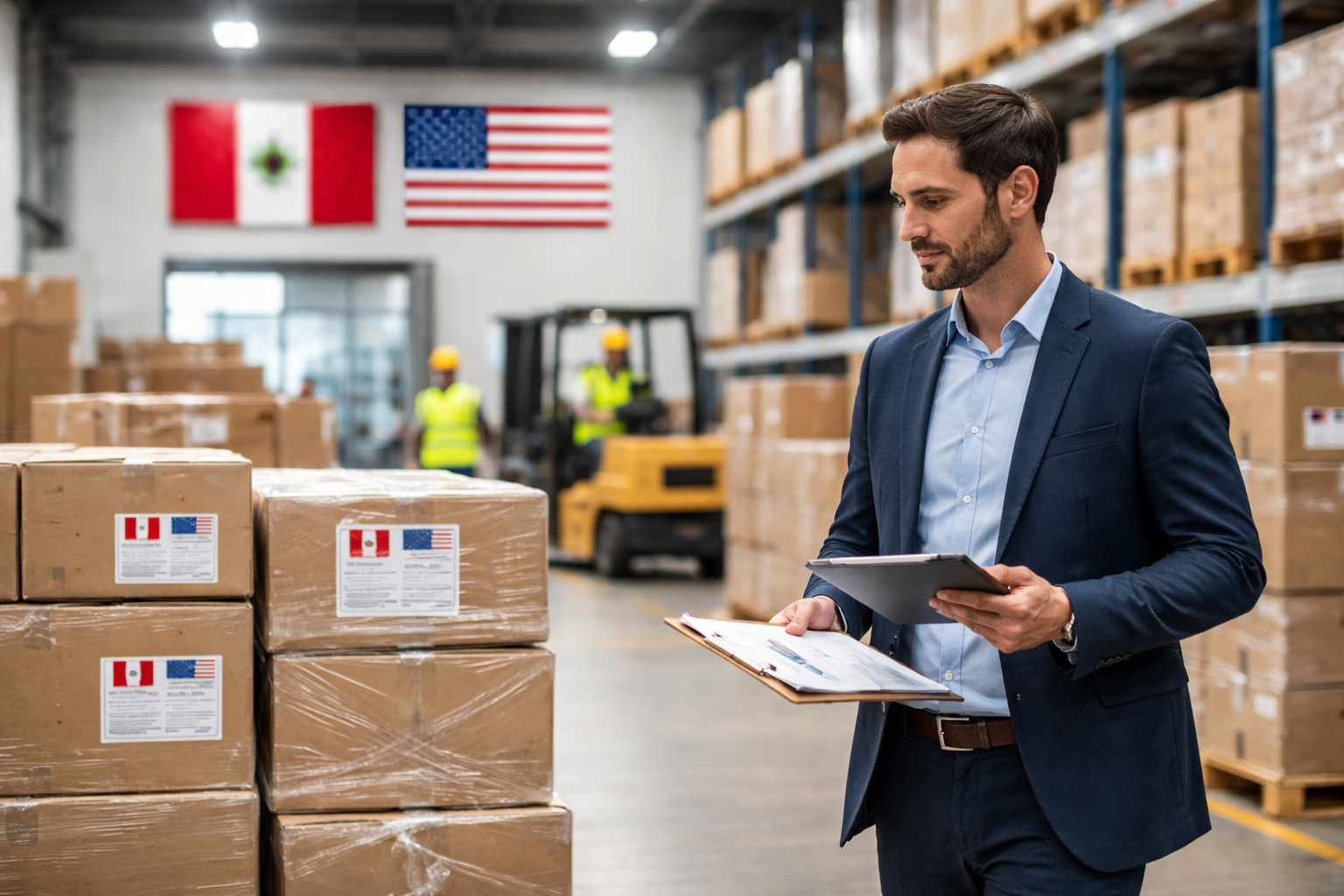
For many businesses, the first number that gets attention when sourcing from Peru is the supplier’s quote. That is understandable, but it can also create a narrow view of the decision. When importing from Peru to the U.S., the quoted product price is only one part of the full cost. The total cost of the order is usually shaped by a broader set of factors, including freight, product handling, compliance-related needs, and what happens after the shipment arrives in the United States.
This matters because a supplier may look more affordable at first glance, while the overall import process tells a different story. A lower quote does not always lead to a lower-cost operation once logistics, coordination, and delivery are added to the picture. That is why businesses should look at costs with a broader lens before placing an order.
Why the supplier quote is only one part of the real cost
A supplier’s price may reflect the product itself, but it does not automatically reflect everything required to move that product successfully from Peru to the U.S. Depending on the order, businesses may also need to consider how the goods will be packed, how they will be shipped, how they will be received, and how much coordination will be needed between origin and destination.
This is especially relevant when the order involves custom sourcing from Peru rather than a simple off-the-shelf purchase. In those cases, the business is often comparing more than product price. It is also comparing supplier readiness, communication quality, export coordination, and the level of operational support needed to move the order forward without unnecessary friction.
Looking only at the quoted price can make one supplier seem like the obvious choice, when in reality the broader cost picture may point in a different direction.
The main cost areas to evaluate when importing from Peru to the U.S.
Before placing an order, businesses should think in terms of cost categories, not only product price.
The first category is the supplier side of the order itself. That includes the quoted unit price, product specifications, packaging requirements, labeling needs, and any customization that may affect how the goods are prepared for export. Even small differences at this stage can influence the total cost of the operation.
The second category is freight and shipment coordination. Shipping from Peru to the U.S. can vary depending on the type of product, the shipment method, the urgency of the order, and the level of coordination required to move goods efficiently. Two supplier quotes may look similar at first, but the freight side of the process can change the overall picture significantly.
The third category is import-related coordination. Customs and import compliance may not always appear as a simple line item in the same way as freight, but they still affect how smoothly the shipment moves and whether additional handling, corrections, or delays create extra costs later. Depending on the product, duties, classification, and compliance requirements may also shape the final cost of importing.
The fourth category is what happens after arrival. Once goods enter the U.S., businesses may still need warehouse delivery, coordination with a 3PL, temporary storage, or final delivery to the location where the products will actually be used or sold. If those post-arrival needs are not considered early, the order may end up costing more than expected.
Common mistakes that make import costs look lower than they really are
One common mistake is comparing suppliers mainly on unit price without looking at the operational differences behind the quote. A supplier may appear more affordable, but if communication is weaker, lead times are less predictable, or export coordination is harder to manage, the order may become more expensive in practice.
Another common issue is treating logistics as something that can be figured out later. But shipping decisions, packaging requirements, timing, and destination planning all affect the real cost of importing. When these elements are not considered early, businesses often discover avoidable costs after the order is already in motion.
There is also the risk of overlooking what happens after the shipment reaches the U.S. If warehouse delivery, final distribution, or additional coordination is needed, that stage can influence the total cost just as much as the international portion of the shipment. A business may think it is comparing supplier quotes, when in reality it is comparing incomplete versions of the total import process.
How better coordination leads to better cost visibility
A better cost decision usually comes from better coordination. When businesses have clearer visibility into sourcing, logistics, compliance-related steps, and post-arrival planning, they are in a stronger position to understand what the order will really require before committing to it.
This is where the right partner can make a meaningful difference. Wide’s value is not only in helping businesses move goods from Peru to the U.S., but in helping connect the different parts of the process with more clarity. That includes sourcing support, logistics and freight coordination, customs and import compliance alignment, and planning for delivery after arrival. When those pieces are considered together, businesses gain a more realistic view of the order and reduce the chance of being surprised by avoidable costs later.
Final Thoughts
Importing from Peru to the U.S. is not only about choosing a supplier with a good price. It is about understanding the broader cost structure behind the order before the shipment begins. Product pricing matters, but so do freight, coordination, compliance-related factors, and post-arrival delivery needs.
When businesses evaluate those elements early, they make stronger sourcing decisions and reduce the risk of underestimating what the order will really cost. A more complete view of the process leads to better planning, fewer surprises, and a more reliable path from supplier to final destination.
If your business is preparing to source products and begin importing from Peru to the U.S., Wide can help you approach the process with greater clarity from the start. From supplier coordination and logistics planning to import support and post-arrival alignment, our team helps businesses move forward with a more organized and better-informed operation.